



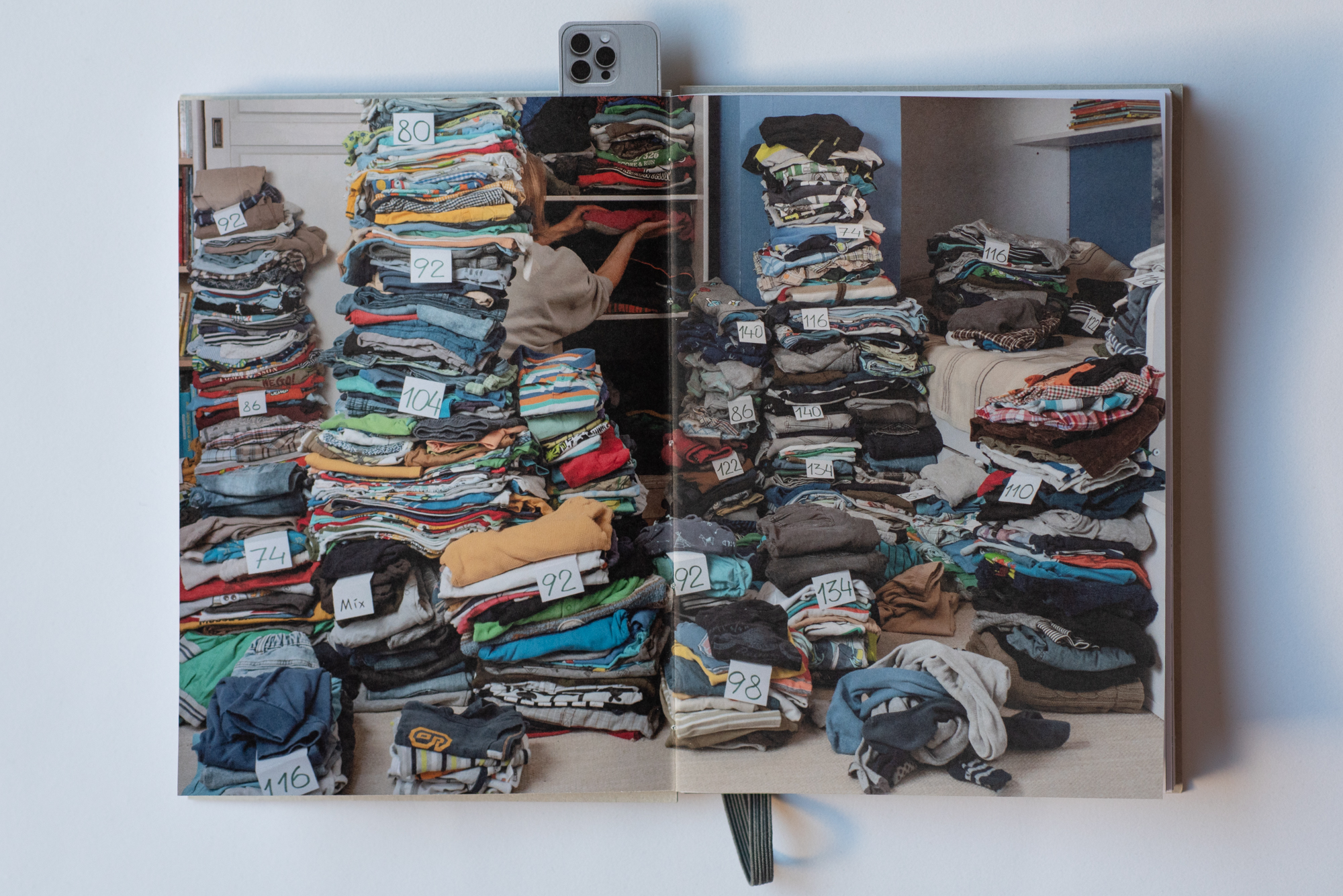
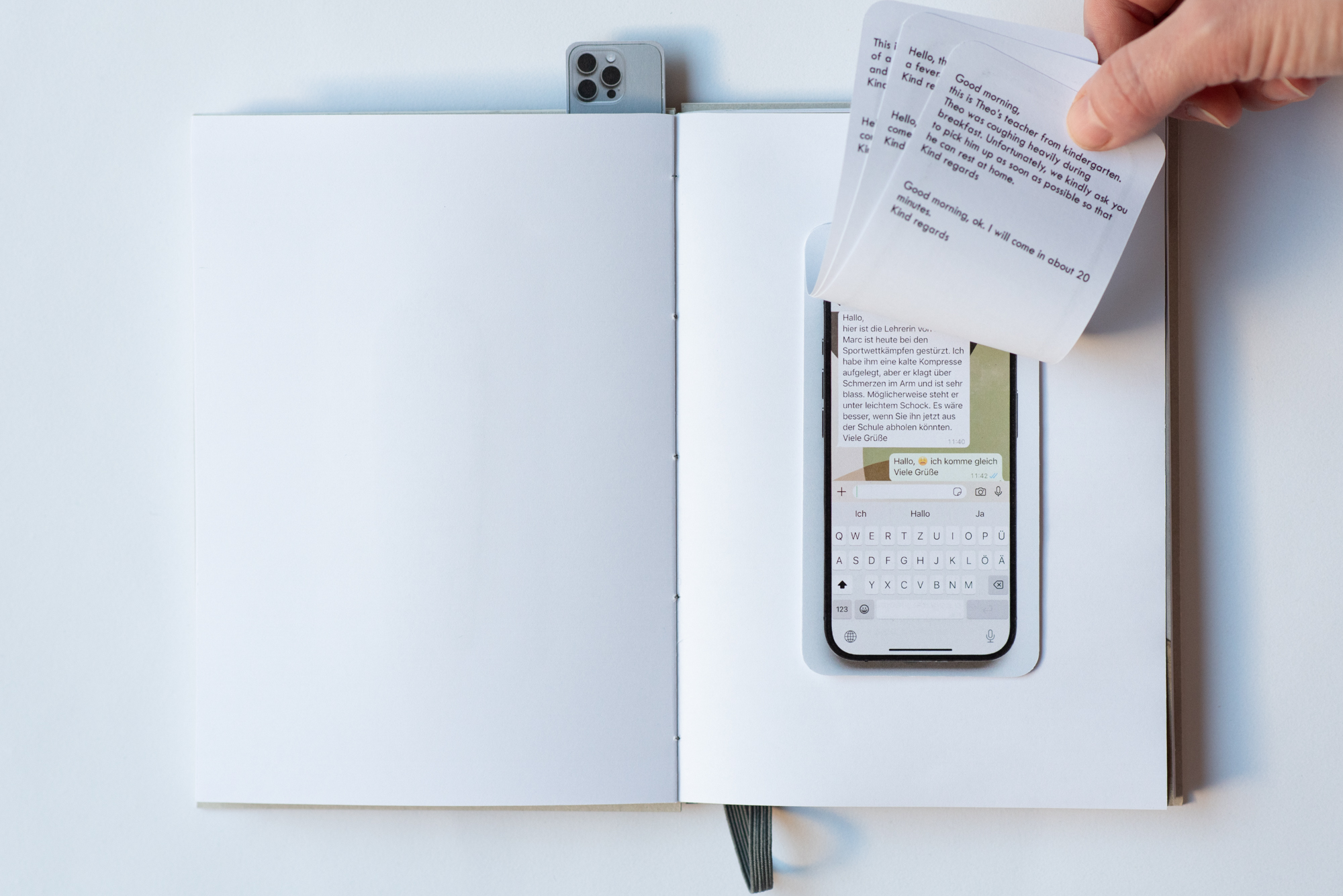
“My mom doesn’t work. Well, she cooks, keeps the house clean, but she hasn’t got a real job” my son answered his friend’s question: “What does your mom do?”.
I was nearby and heard this conversation. At that moment, I felt like a slacker and wondered what makes up my everyday life now? Yes, I don’t go to the office, I don’t get an official salary. Not so long ago, my recent maternity leave ended, and now I am a housewife.
I’m embarrassed to say that I’m a housewife and in my defense, I always clarify that I have three children and that I have a lot of worries with them.
But at what time does the housewife’s working day start and end? According to my feelings, in a house where children live, it never ends. There’s always some work awaiting for you to be done. Those actions that are done on autopilot, in which a woman seems to dissolve into the house, so that everything seems to be done by itself.
That’s why my heroine’s face is unseen. You can’t even always find her in a photograph at first glance. All this housework is often considered by the other members of a household as an invisible attribute that a home naturally possesses, not labor worth being recognized or appreciated.
The work unfolds in two visual registers: staged, hyperbolic self-portraits that amplify the absurdity of daily life, and a second body of images that assembles the hidden traces of domestic reality — objects, fragments, documents, and even online comments that reveal both the intimate weight of care and the external pressures of social judgment.
Related
Singaporean Love
Singaporean Love explores Jay Lim’s identity as a gay Singaporean man, tracing his experiences of love, intimacy, and belonging through…
Fruiting Bodies
Ying Ang’s Fruiting Bodies reimagines the mushroom as both a biological form and a feminist metaphor – an emergent, generative…