


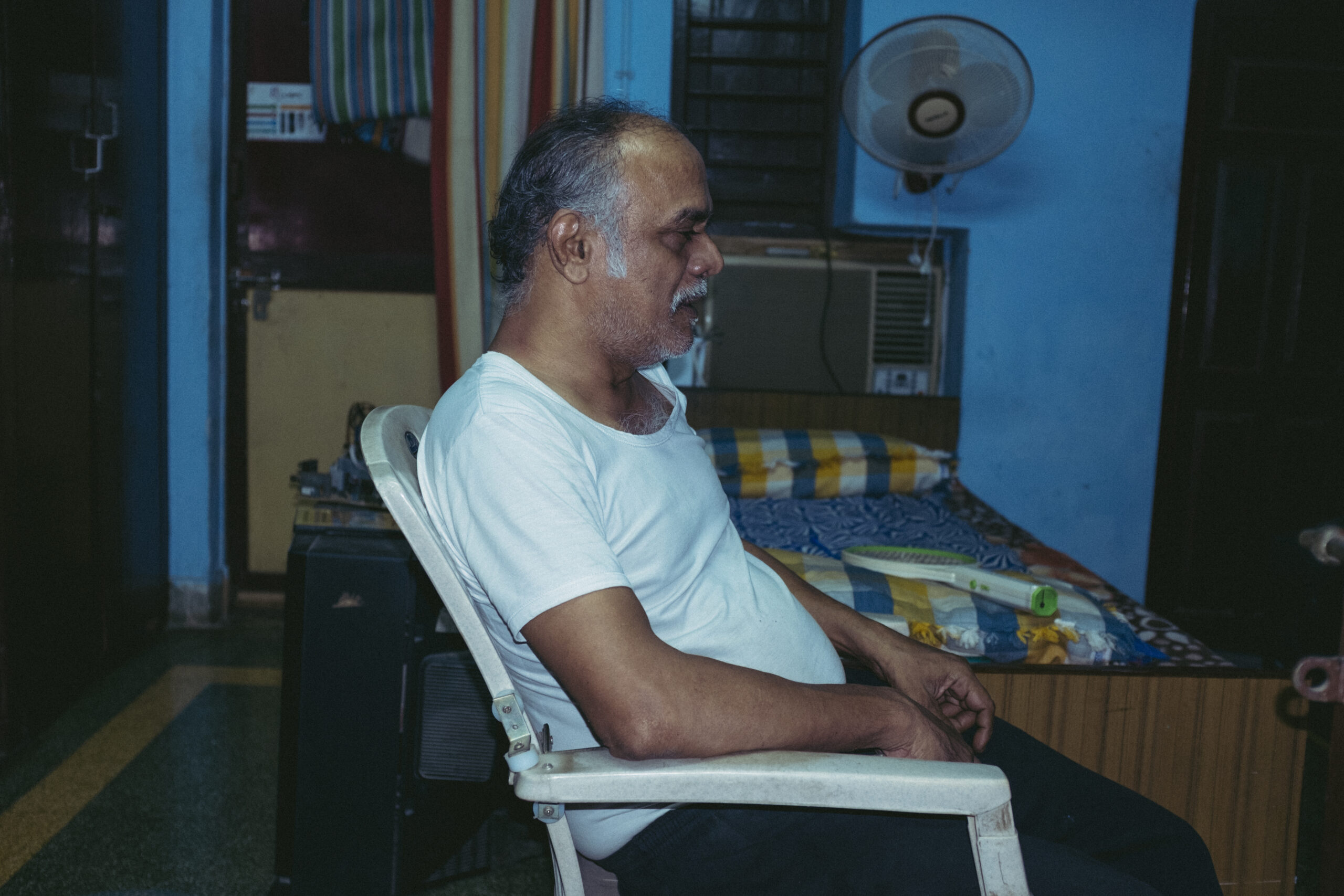
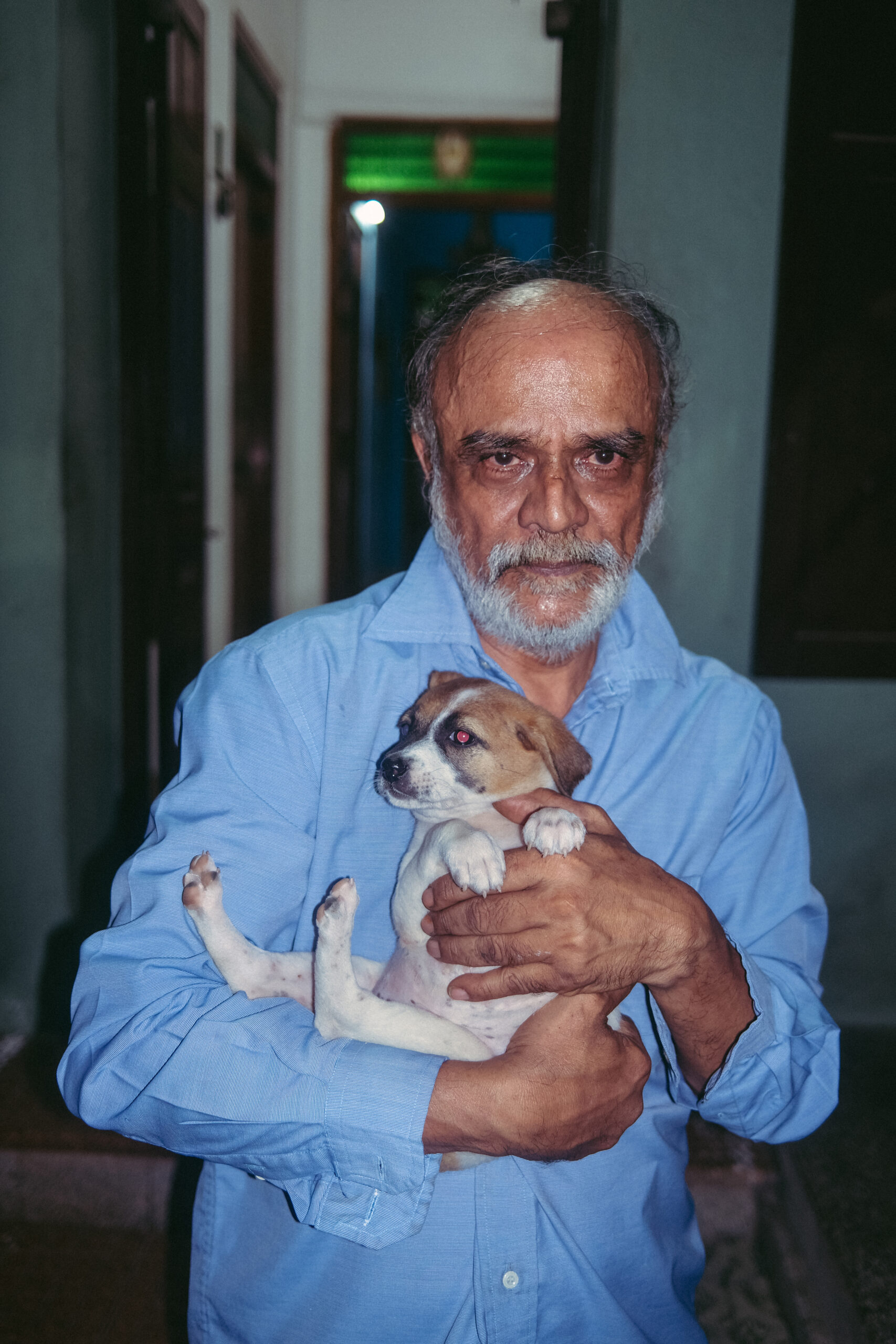
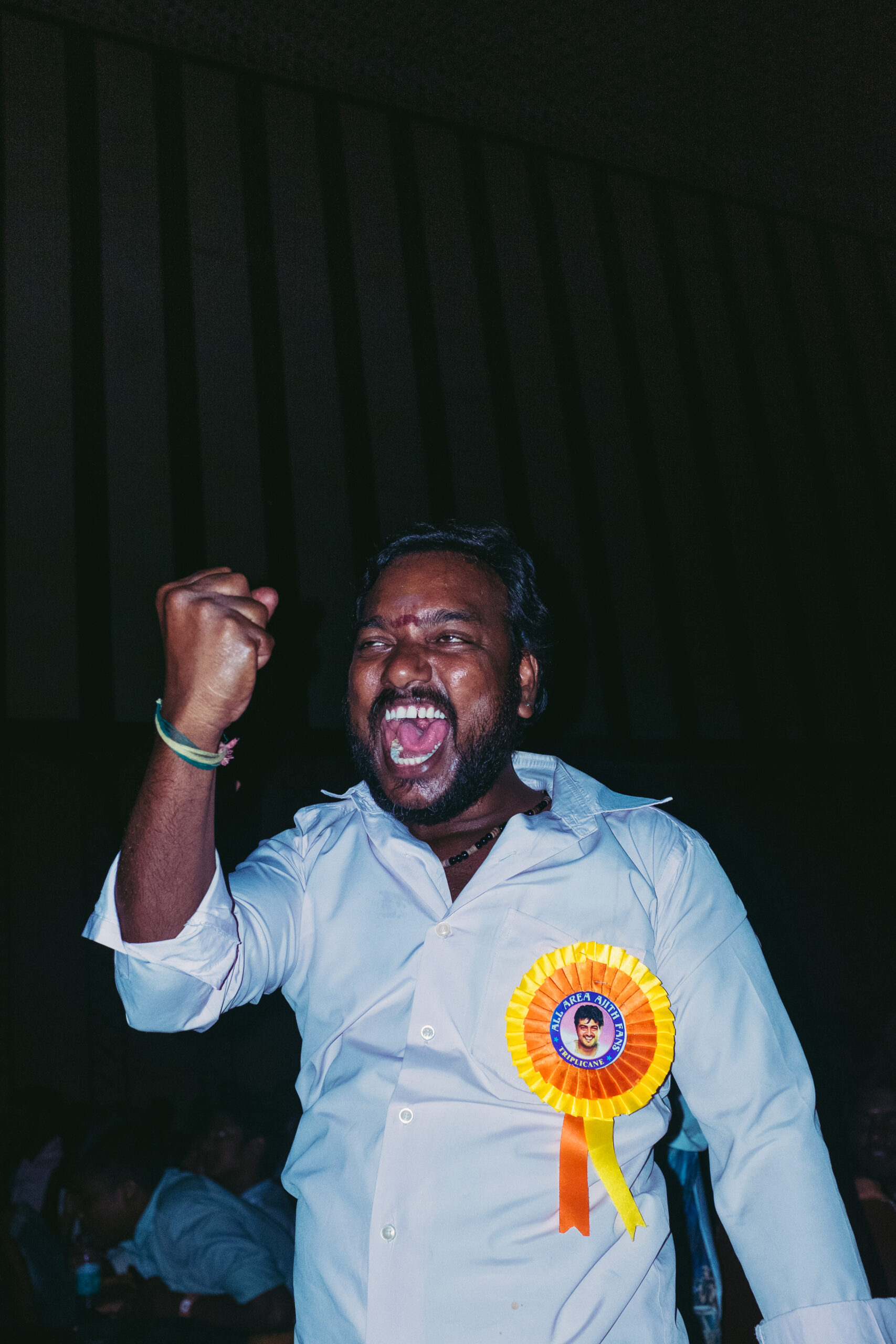
Sometimes I think about how cinema suspended me and my family from reality. My family would have been very different if my grandfather had not acted in the cinema, left his hometown with dreams of becoming an actor. He was fascinated by the image of an actor that he saw on screen. When one begins to look for answers to a recurring dream passed on from father to son, one finds oneself on the threshold of dreaming and waking. And when that line of separation becomes visible, even a little, the bigger picture comes into focus.
Cinema gave my family a time under the spotlight, but the life we constructed around it crumbled after the death of my grandfather. It was my father who led me into the world of cinema, and while he too dreamt of becoming an actor, his dream was star-crossed. He struggled all his youth, only to make a fleeting appearance in a film. While we shared a close bond during my childhood, at some point in time, during my teenage years, I started to drift away from him, unable to understand his obsession, love for cinema and the chaos it created in my family. I have always disliked it whenever anyone compared me to my father. There exists generational trauma within the family, and I am looking for ways to overcome it.
Dear Cinema, is a way for me to understand myself and my father through cinema and its many worlds. I believe by exploring my family’s relationship with cinema over the past three generations I will also be able to understand what cinema means to the people of the state. My family is a microcosm of a larger tapestry that cinema paints in the region I live. The more I visited the cinema halls, the more I realised what cinema gave and what it took.
Related
Dialogue: photo + book + sg = ?
Join curators Marvin Tang and Liana Yang for a relaxed afternoon conversation about the role of photobooks in Singapore. Moderated…
About Asia Meet 2026: 10th Edition
Asia Meet seeks to facilitate global connection by bridging the gap between photographic practitioners and industry experts across borders. In…
Singaporean Love
Singaporean Love explores Jay Lim’s identity as a gay Singaporean man, tracing his experiences of love, intimacy, and belonging through…