


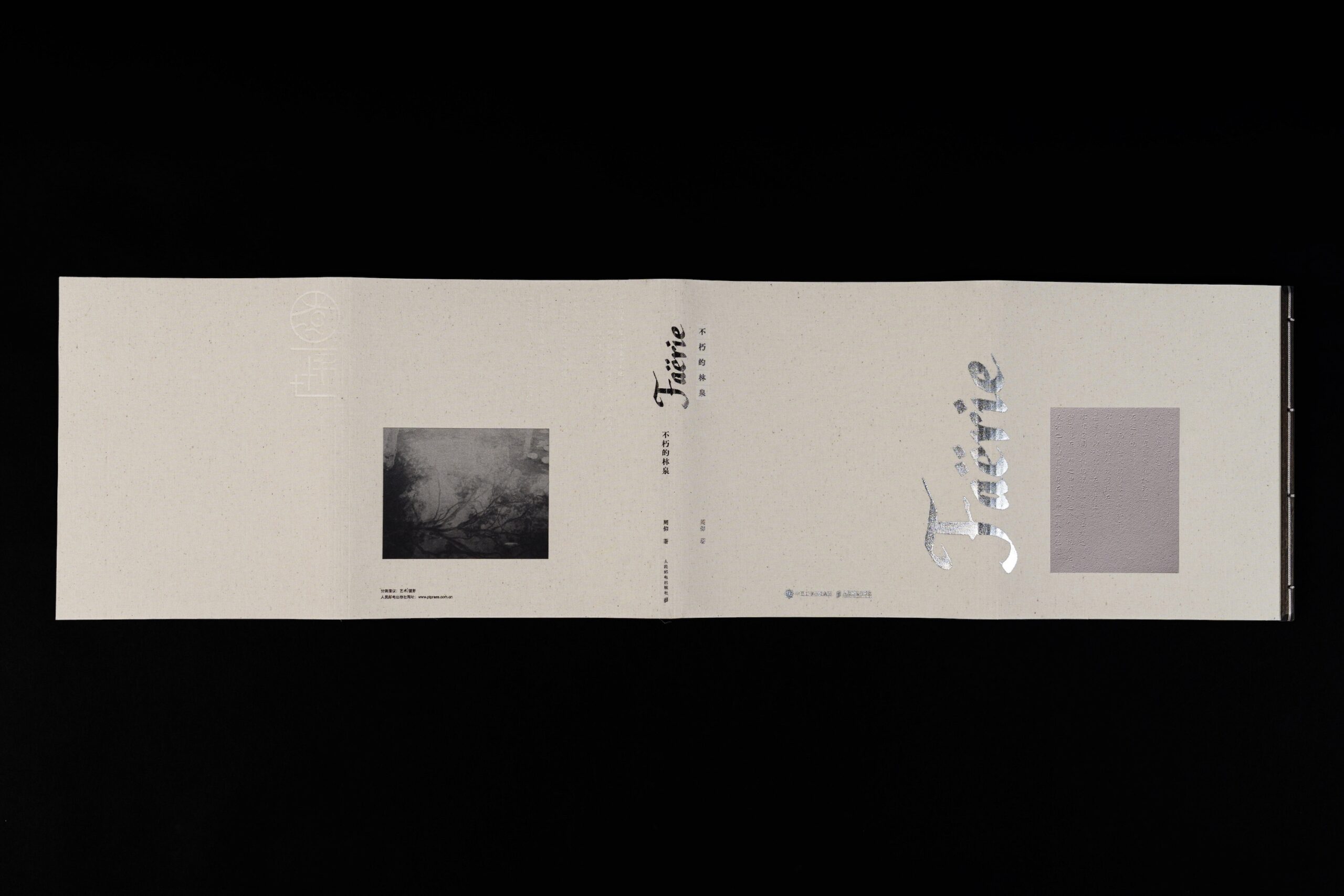
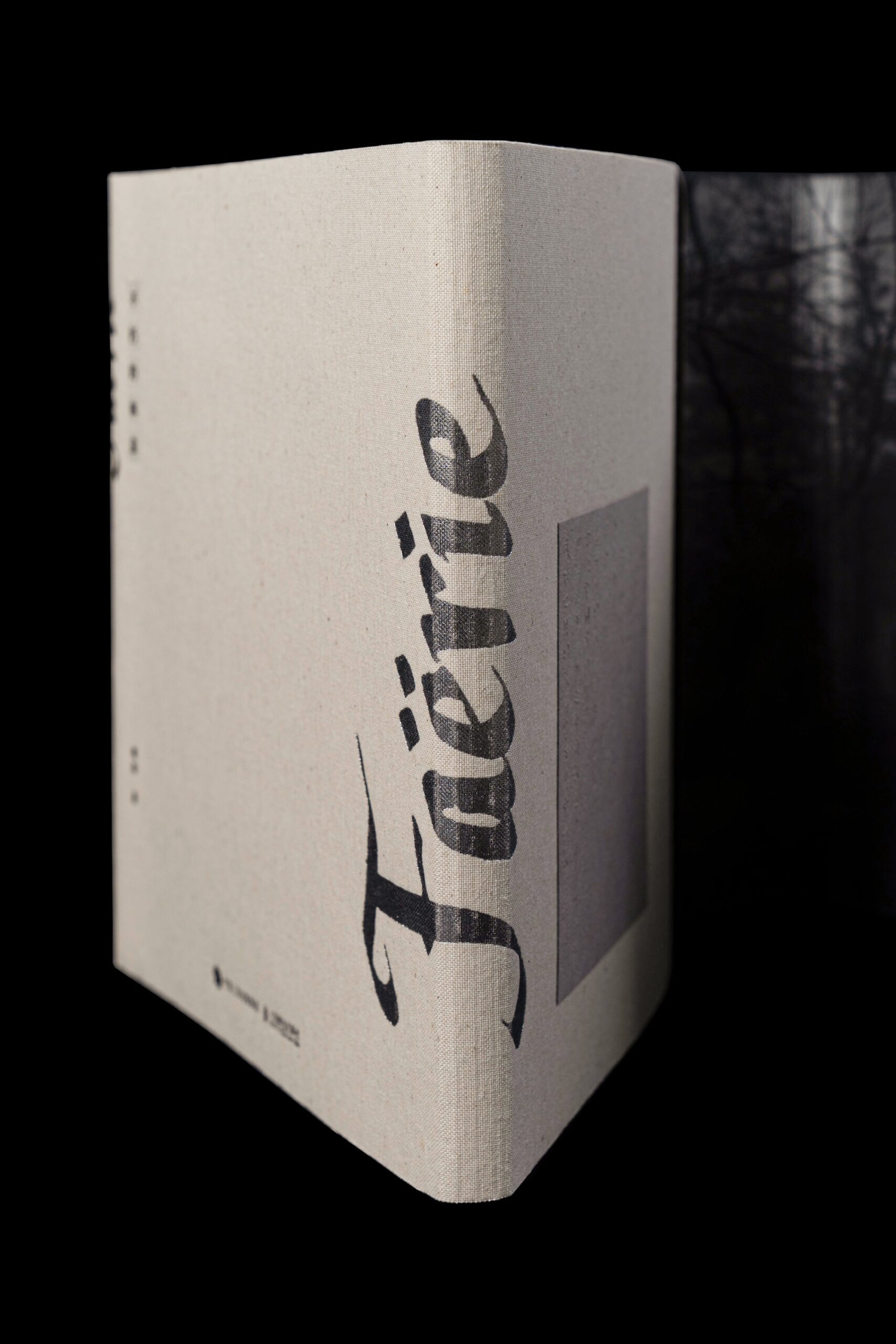
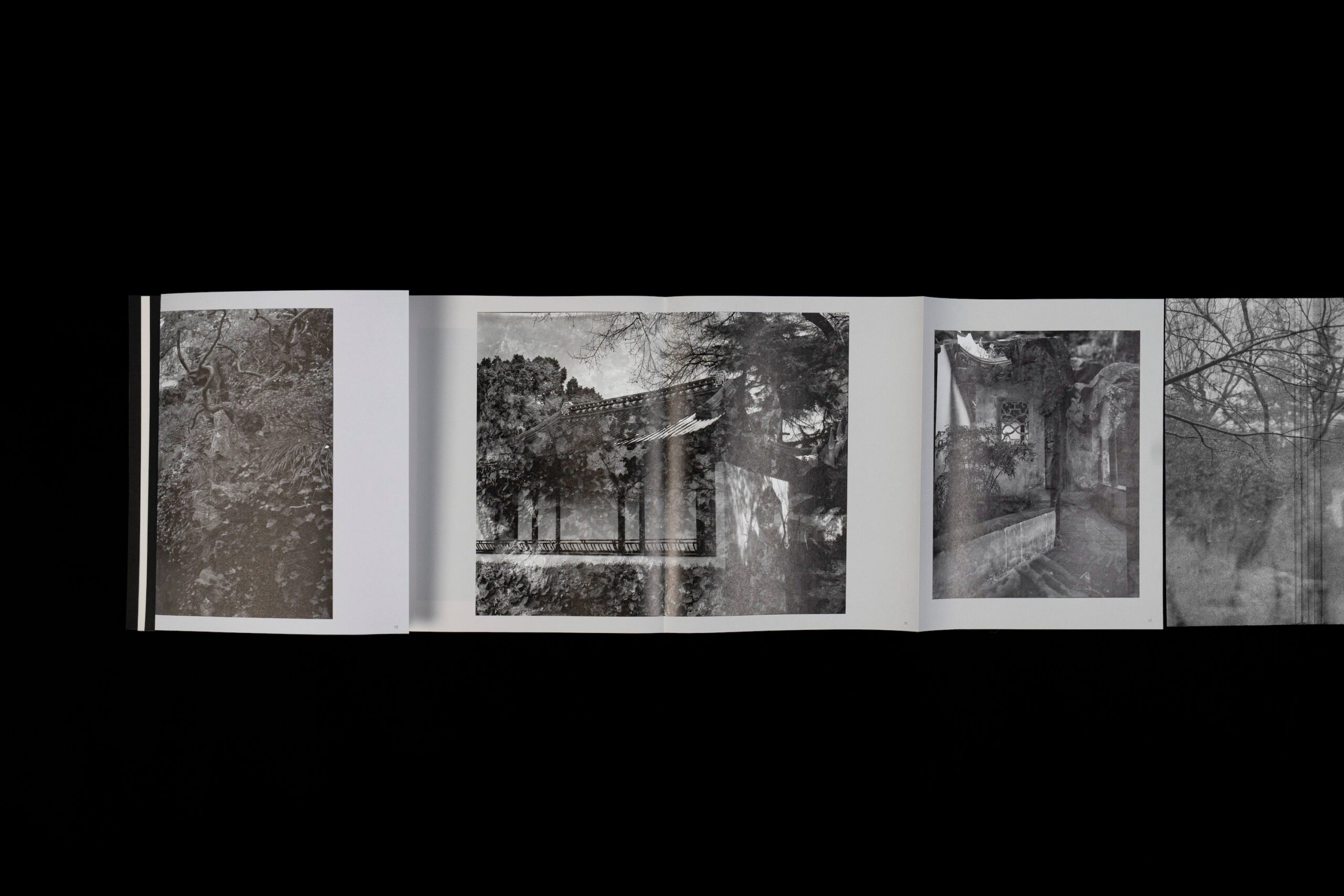
ZHOU Yang’s photographic monographs Faërie was published by Posts & Telecom Press in China in September 2025. The book includes 82 of ZHOU’s black and white large format photographs from her decade-long project exploring the traditional Chinese literati gardens as a form of spatial imagination.
Built by the scholar-officials of dynastic China, these gardens were historically conceived as sanctuary in times of political struggle. Time seems to work differently within and outside the gardens. A thousand years could have passed in the real world while merely a day in the gardens. As such, the garden space is a Faërie within the physical world.
In effect, literati garden do not follow the law of the Nature, nor are they mere simulation of our Primary World. Rather, the scholar-official of the dynastic China who built them were Sub-Creators of a Secondary World, in the same way, as J. R. R. Tolkien argued, that fairy-story authors create a Secondary World, a Faërie, that follows its own law and into which our mind can enter and find Escape and Consolation. Literati gardens are three-dimensional Secondary World, into which we can physically enter. In such realms our ultimate desire could be fulfilled: Escape from Death. After all, in the Ming Dynasty classic The Peony Pavilion, it was in the garden that a fair maiden woke up from Death for her true love.
ZHOU Yang’s photographic project represents the gardens as an Otherworld. Indeed, ‘spirit photography’ has historically been used to portray the existence of supernatural phenomena and make the invisible seen. Using the techniques of long exposure and double exposure, whilst drawing on photographic medium’s traditional ‘truth claim’, she transforms the gardens from present-day tourist sites back to a mysterious realm. When the setting sun shines upon the lotus flower in the middle of the lake or when the goldfish disappears into the depth, viewers could look beyond the material world and find the hidden Faërie.
Related
Dialogue: photo + book + sg = ?
Join curators Marvin Tang and Liana Yang for a relaxed afternoon conversation about the role of photobooks in Singapore. Moderated…
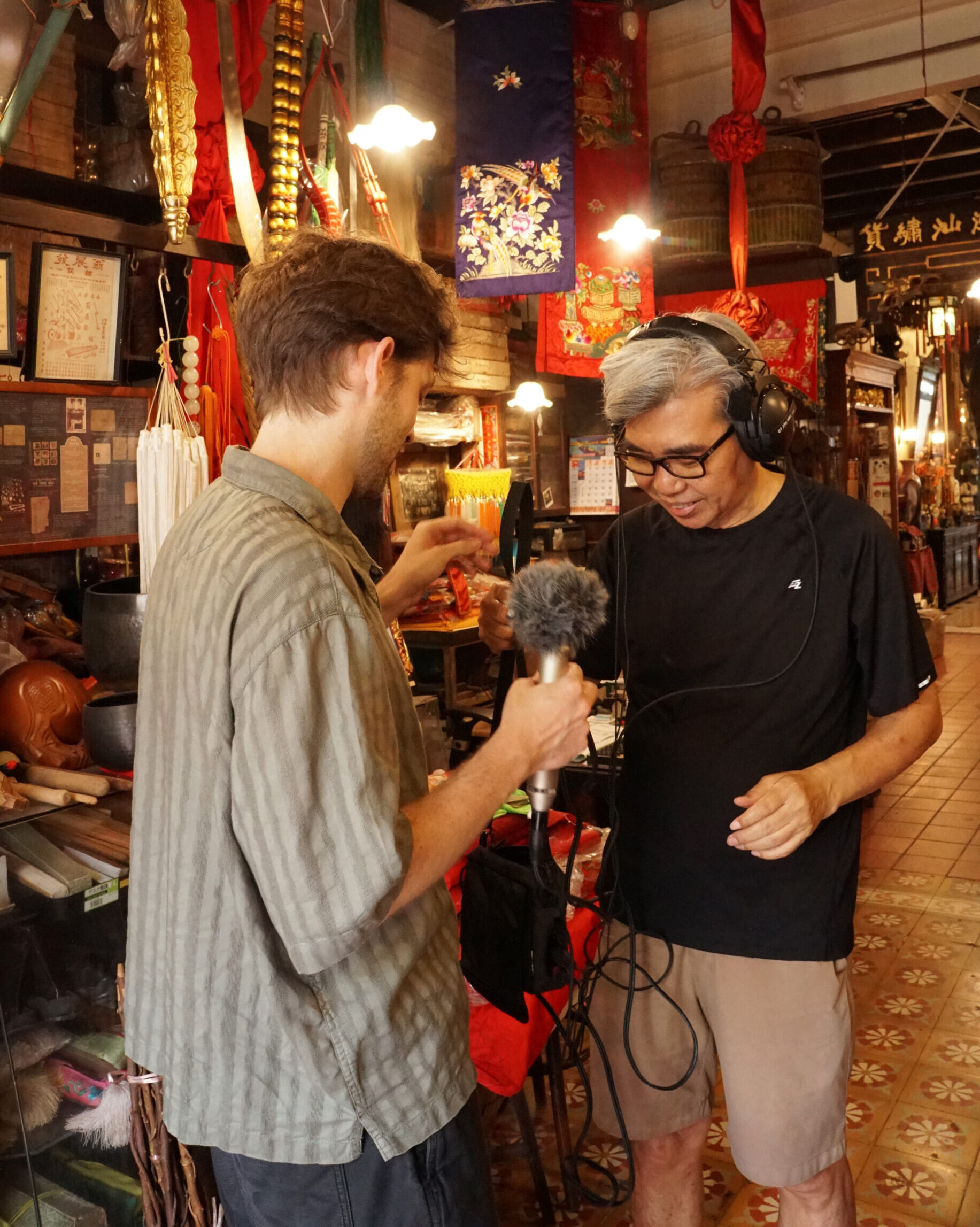
Passing By Paradise: Photo-Audio Walk
Photo-Audio walk along site-specific installations hidden away in Geylang with Dorothy Wong Ka Chung & Benjamin Ryser. Is home to…
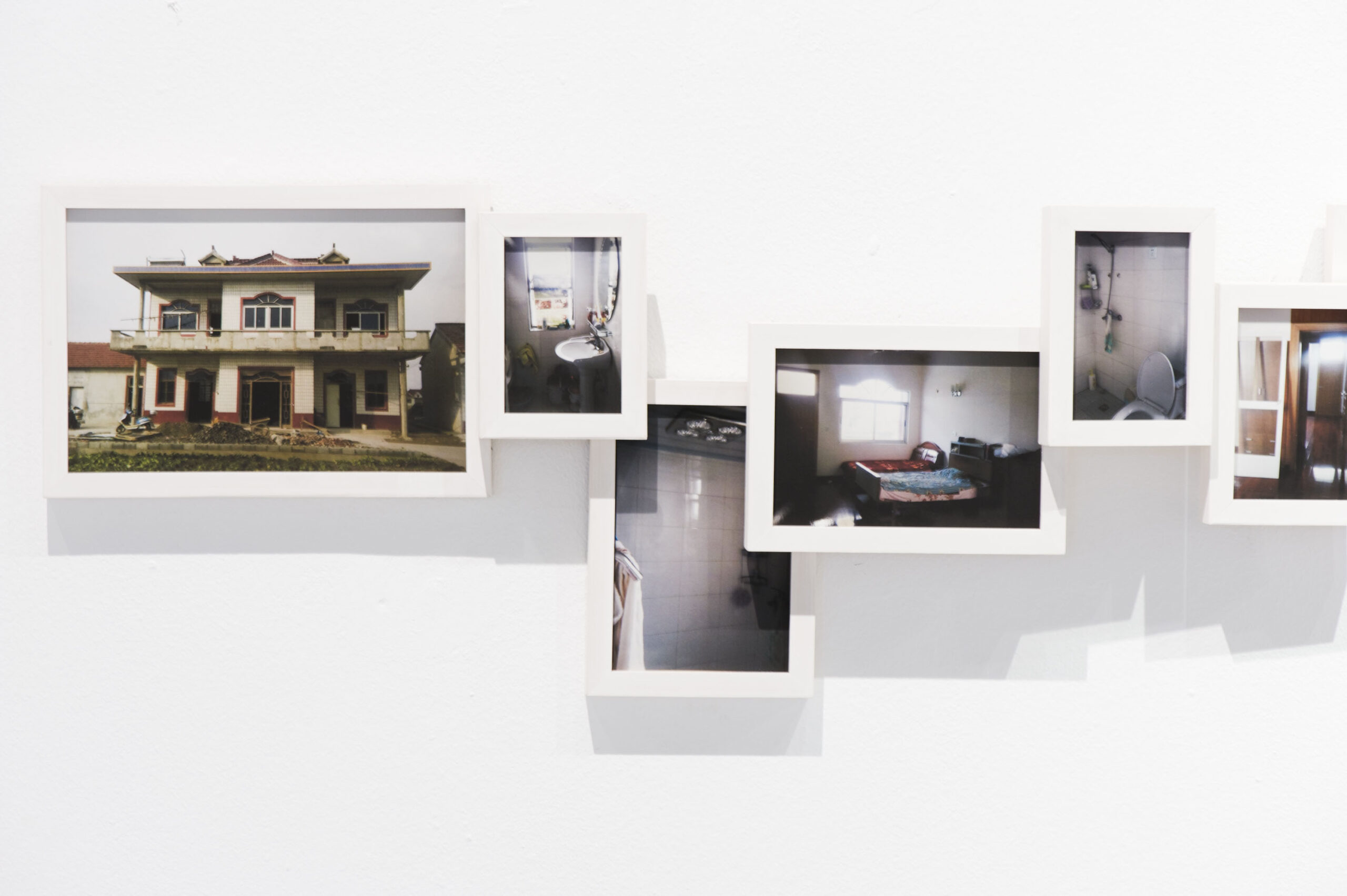
The Stories We Carry: What We Carry Forward
Part of Shifting Images: Photography From Singapore 2000 – 2025 What do we carry with us from one life, generation…