


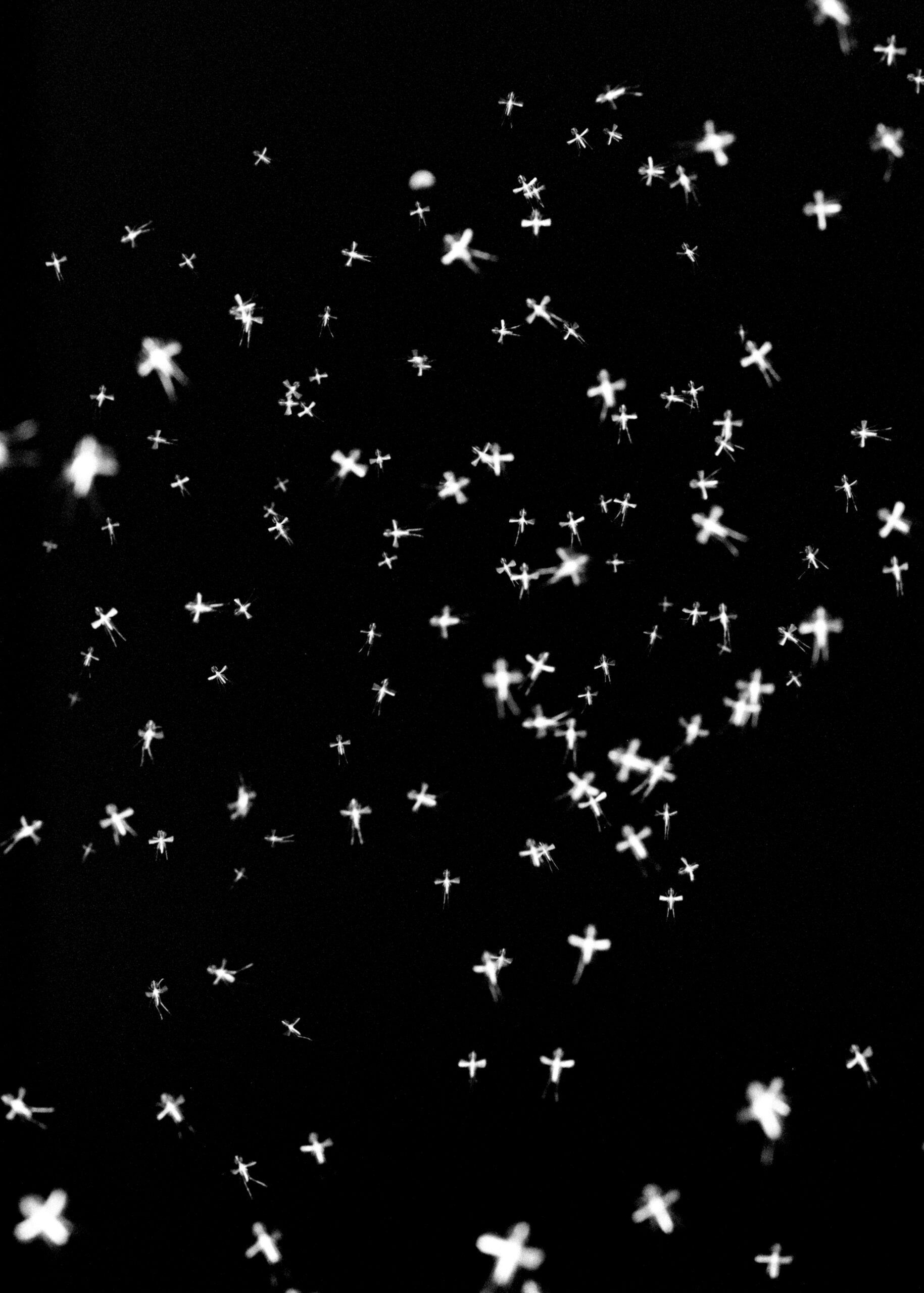
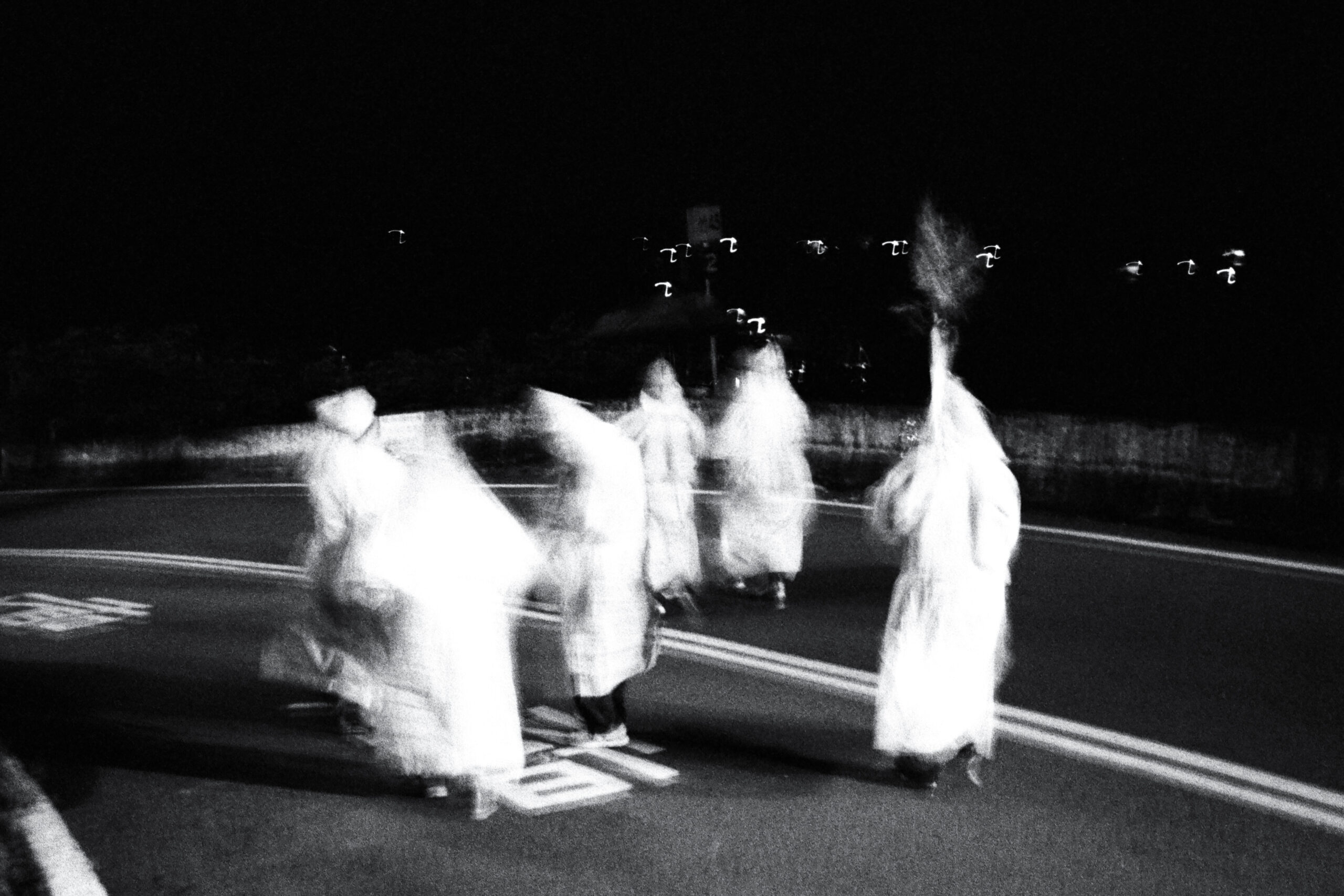
Ashes and fire fluttering and disappearing into the wind; dust and earth intertwining and rolling in the water. The elements are in constant flux and cycle, neither arising nor ceasing.
As an outsider having lived in Beipu (a Hakka village in Northwestern Taiwan) for the past 10 years, I encounter, on average, a funeral once every two weeks—I don’t know how many I have seen. It was a hot summer day, and as I was passing by a funeral, there was a sharp putrid smell of decaying flesh wafting out of the bereaved family’s house. A few days later I could still smell it in my head—it’s as if the whole village were rotting (or was it just being lulled to sleep?) right in front of me. I wonder if it’s me dying—perchance dreaming.
In the dark, I slowly crawl to the river bank. Under the moonlight, the water, with a silvery sheen, slowly slithers.
The water is wide,
I can’t cross over.
“All things are impermanent—this is the law of arising and extinguishing.” Irrevocably, all life leads to death, all desires come to decay, yet, caught in this torrent of the ephemeral, I am still searching for, and intrigued by, the eternal—it’s calling to me.
Perhaps the river of Life will eventually flow towards nothingness, yet for the moment, at least, the white-hot sky hanging above is still making me feel light-headed—and meanwhile, I must first pull my head above water.
Related
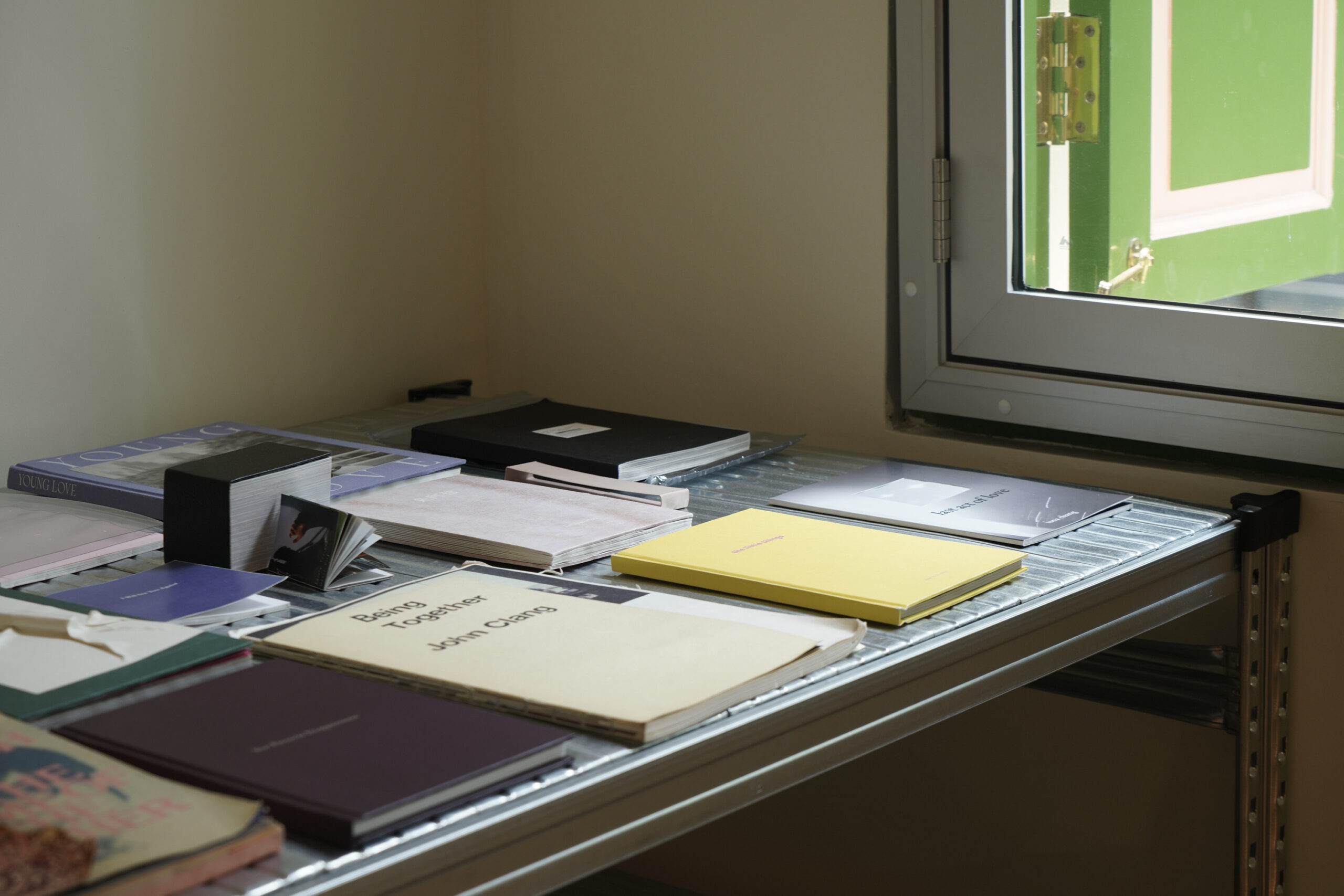
Dialogue: photo + book + sg = ?
Join curators Marvin Tang and Liana Yang for a relaxed afternoon conversation about the role of photobooks in Singapore. Moderated…
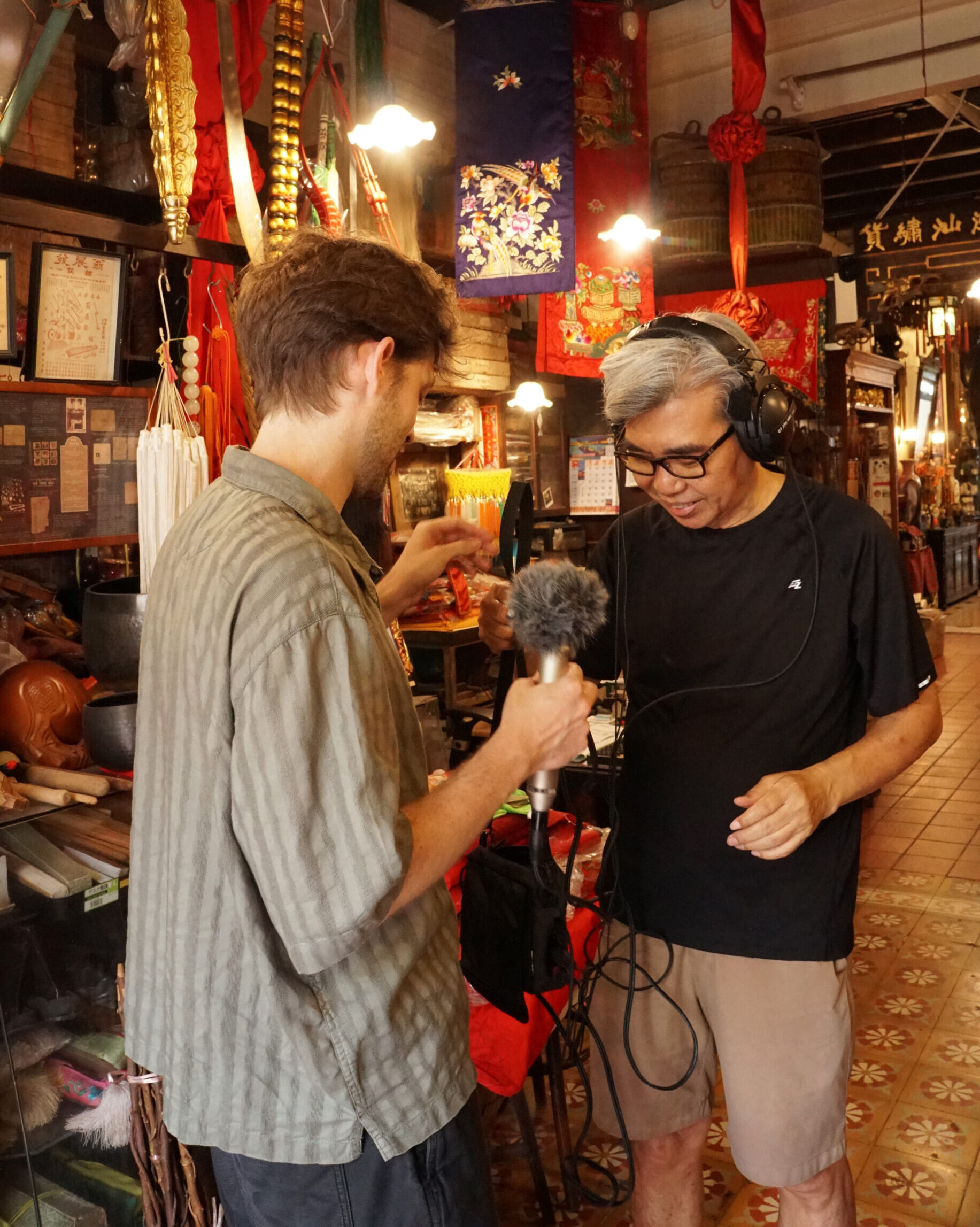
Passing By Paradise: Photo-Audio Walk
Photo-Audio walk along site-specific installations hidden away in Geylang with Dorothy Wong Ka Chung & Benjamin Ryser. Is home to…
The Stories We Carry: What We Carry Forward
Part of Shifting Images: Photography From Singapore 2000 – 2025 What do we carry with us from one life, generation…