


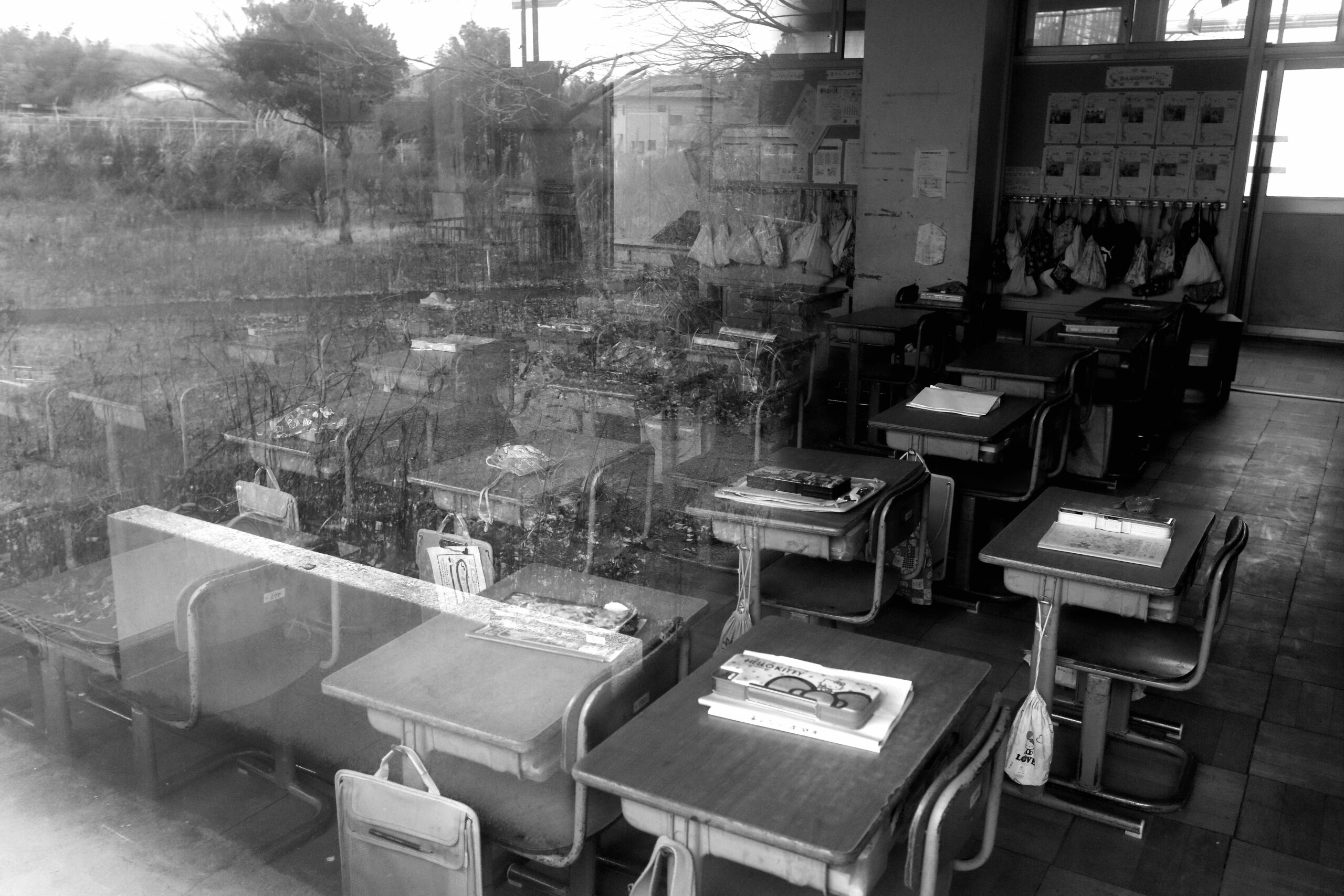
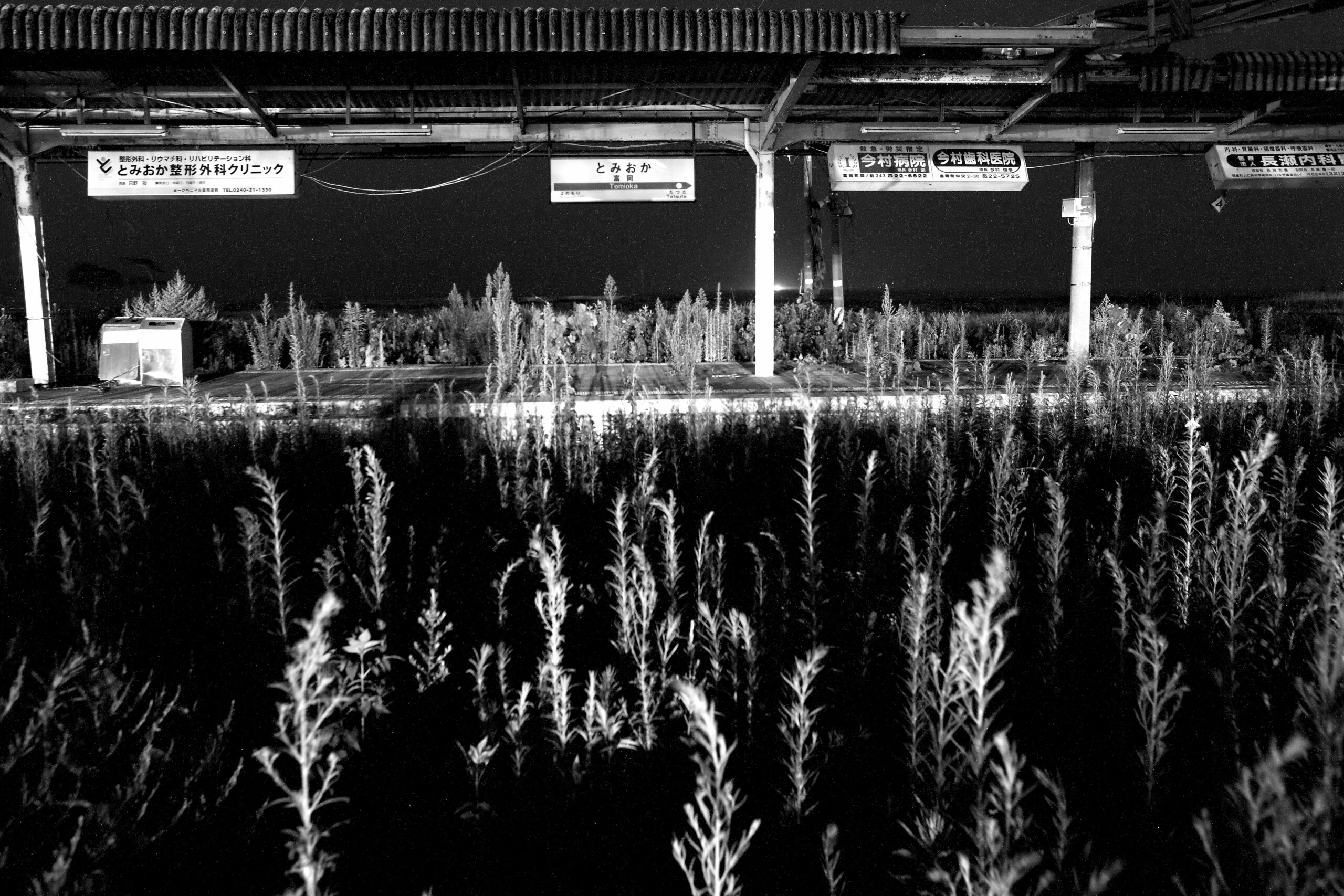
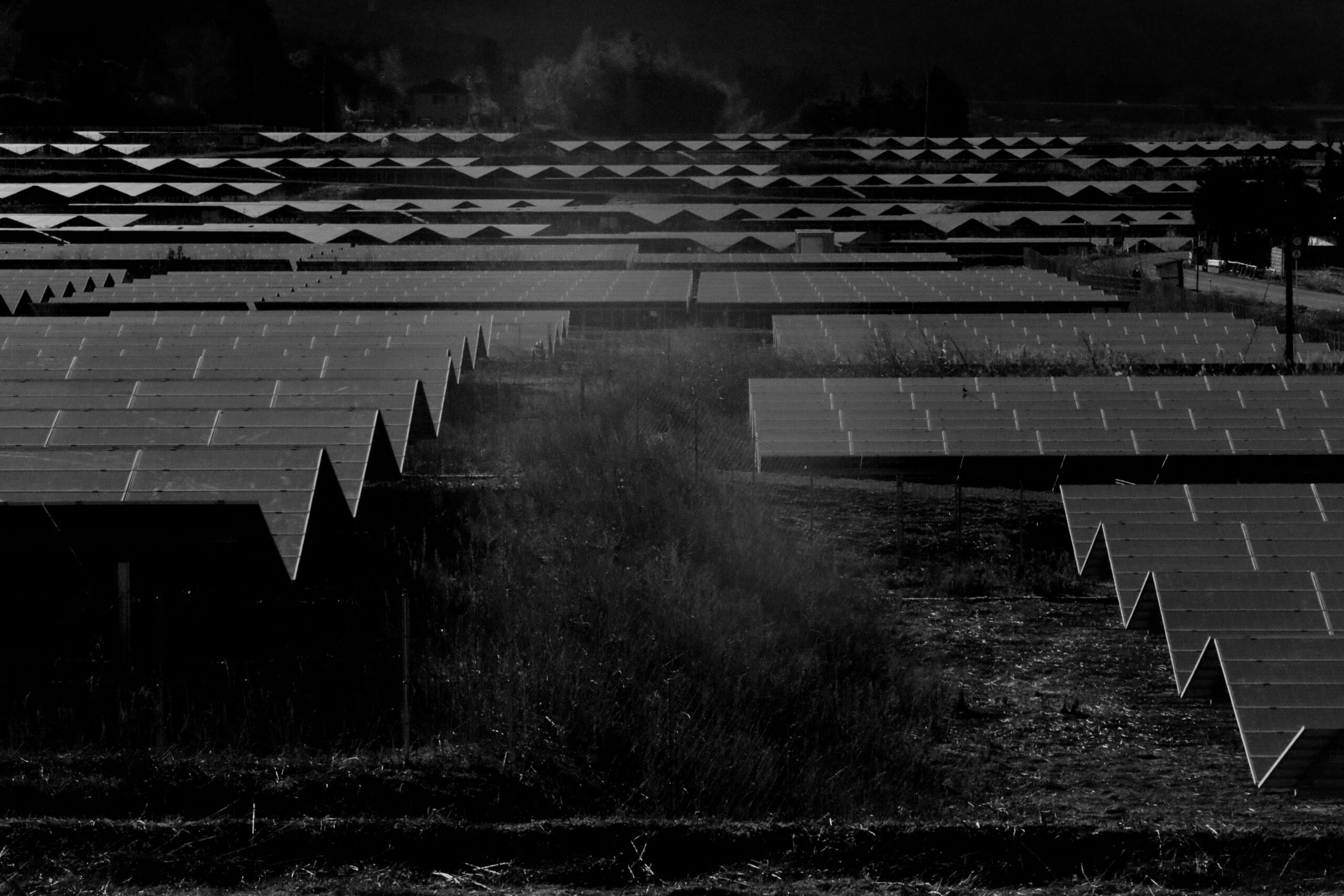
For fifteen years, I have continued to photograph the land and people living in the aftermath of the Fukushima nuclear disaster. This work has been both a record and a testimony — a form of journalism grounded in witnessing.
What began on March 11, 2011, with the earthquake, tsunami, and nuclear accident gradually became a long-term observation of how time reshapes landscapes, memory, labor, and daily life.
The landscape became my “lifeline” for continuing this work. At times I photographed intentionally, at times instinctively, and at times almost out of habit. Yet always as a way of looking at what continues to exist there.
My early reporting focused on dairy farmers in Iitate Village whose lives were abruptly destroyed by radioactive contamination. Through them, I witnessed not only loss, but also dignity, endurance, and the complicated reality of continuing forward after catastrophe.Over the years, my work expanded beyond the immediate disaster to encompass abandoned towns, decontaminated land, temporary storage sites for radioactive soil, seawalls, solar developments, protests, rituals of remembrance, and the gradual return of people to transformed environments.
As time passed, the structures of society were quietly rewritten, and absence itself became part of the landscape.
This subject has not ended. Yet after fifteen years, I felt a responsibility to give form to this continuing testimony. Looking back now, I feel these years were shaped not by chance, but by the decision to continue witnessing.
Related
Anton Gautama Professional Development Grant
The Anton Gautama Professional Development Grant seeks to play a role in shaping the photography community in Southeast Asia. With…
About Asia Meet 2026: 10th Edition
Asia Meet seeks to facilitate global connection by bridging the gap between photographic practitioners and industry experts across borders. In…
Singaporean Love
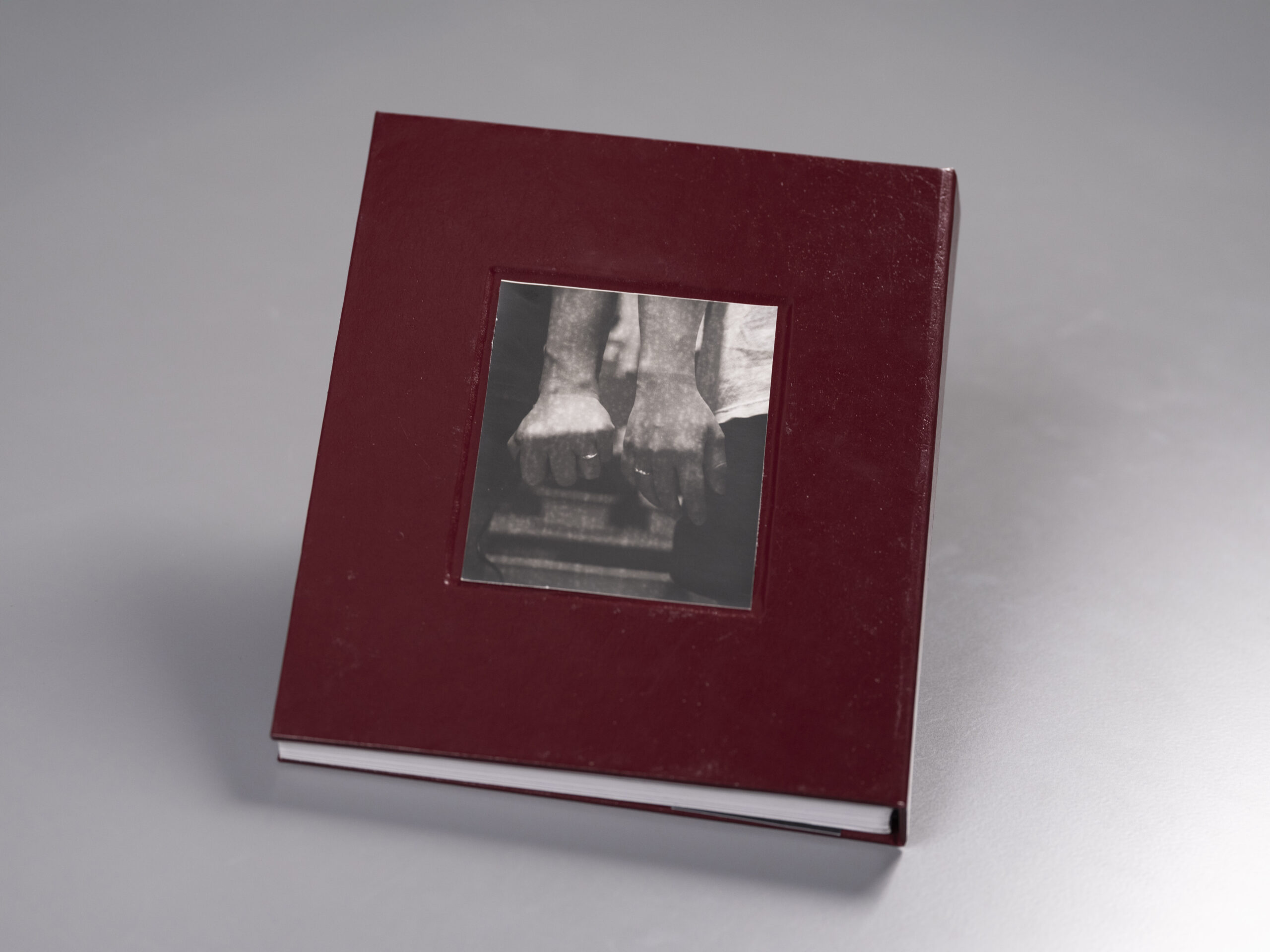
Singaporean Love explores Jay Lim’s identity as a gay Singaporean man, tracing his experiences of love, intimacy, and belonging through…