


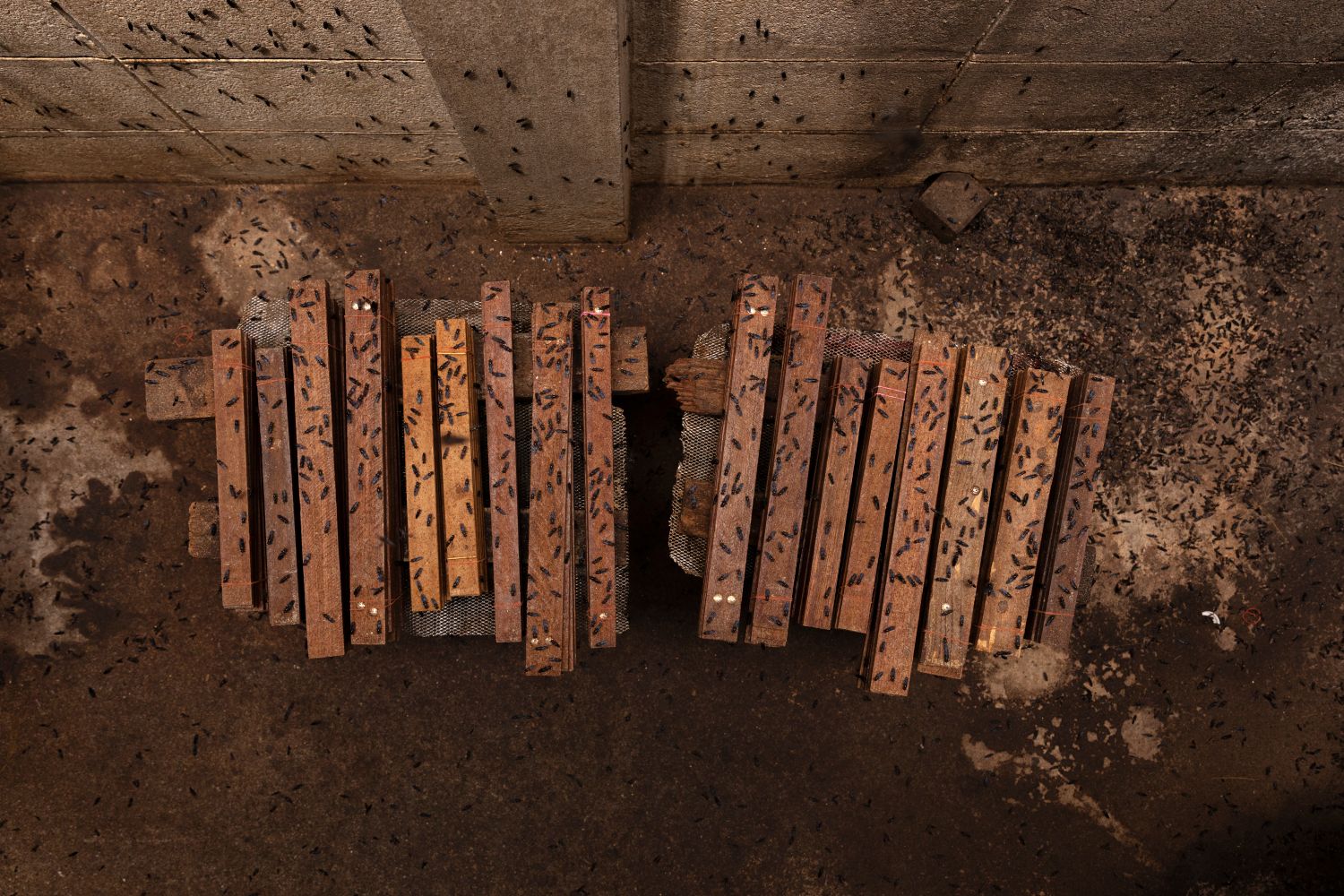
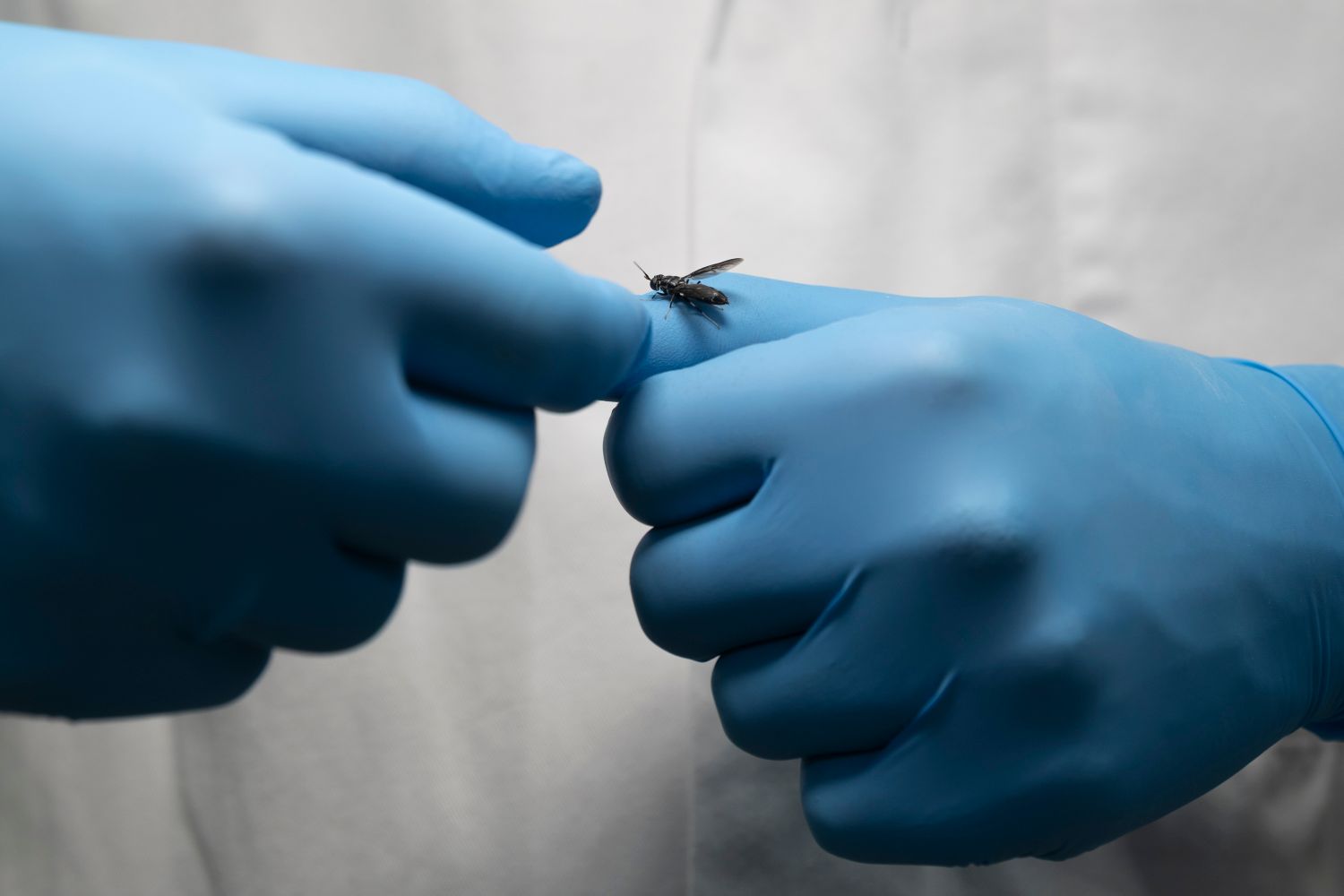
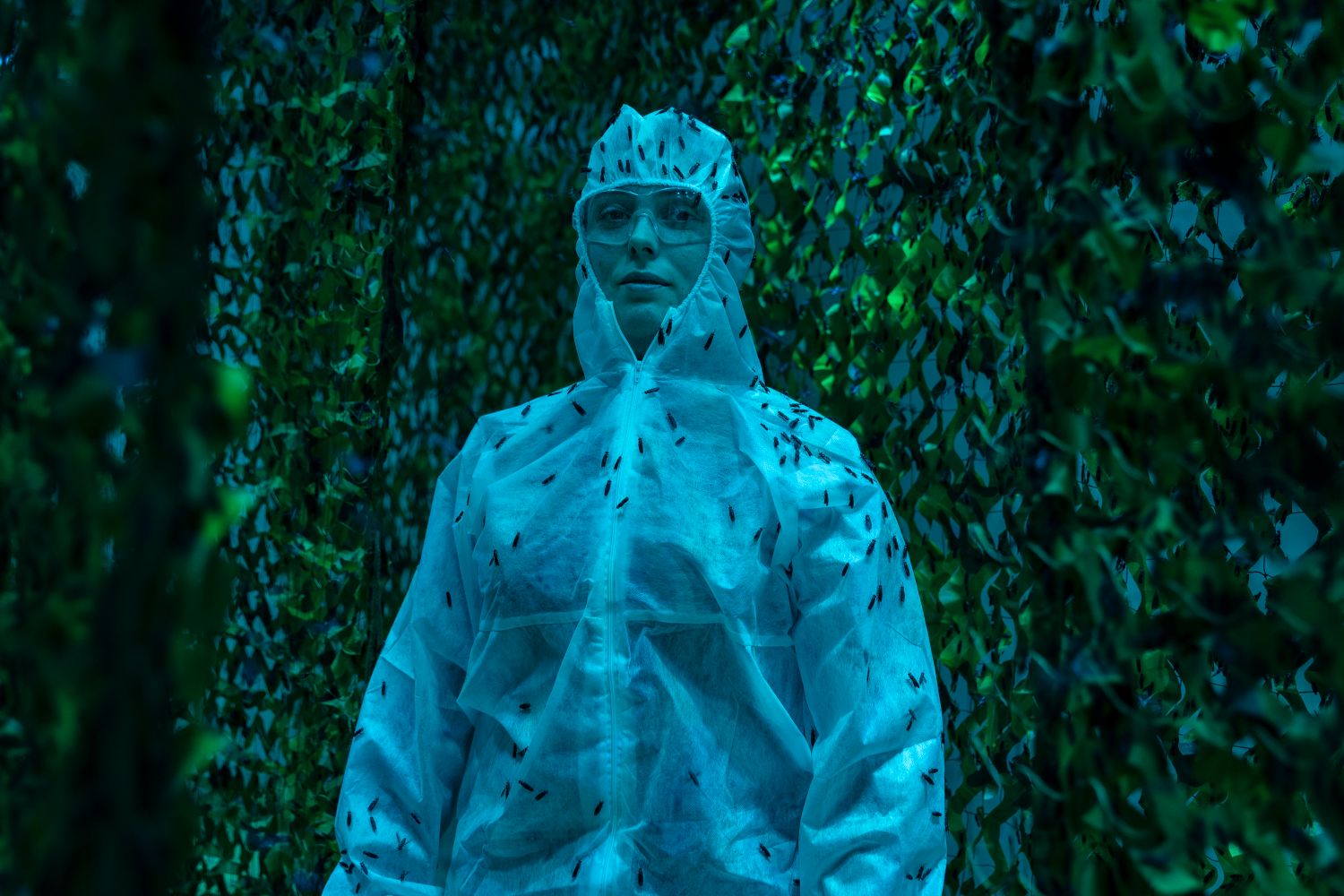
I N S C T S is a long-term project exploring how insect farming unfolds within extractivism, waste ecologies, the climate crisis, and global structures of power. Documenting research institutions in Europe, large-scale facilities across Southeast Asia and rural communities in Latin America and Africa, the project addresses both the scientific foundations of insect farming and the social and environmental consequences of its implementation.
Insect farming is an emerging agricultural practice in which organic residues are transformed into natural feed and biofertilizers. Developing at different scales, it contributes to circular and regenerative agricultural models, yet its implications shift across geographies. In tropical rural regions, insect farming can reconfigure reliance on external inputs, reshaping local food production systems.
Alongside documentary photography, the work incorporates still lifes, microscopic imagery, and recorded audio conversations, extending the inquiry beyond the frame. Through a visual approach that shifts between perspectives, from microscopic observation to industrial environments, the project traces how transformation becomes visible across contexts.
In the context of a growing population and climate change, pressure on land and water resources intensifies. At scale, insect farming can reduce deforestation, water use, soil degradation, and overfishing. Through insect farming, what has been conventionally treated as discard becomes a resource, redefining the relation between waste, production and knowledge.
Related
Passing By Paradise: Photo-Audio Walk
Photo-Audio walk along site-specific installations hidden away in Geylang with Dorothy Wong Ka Chung & Benjamin Ryser. Is home to…
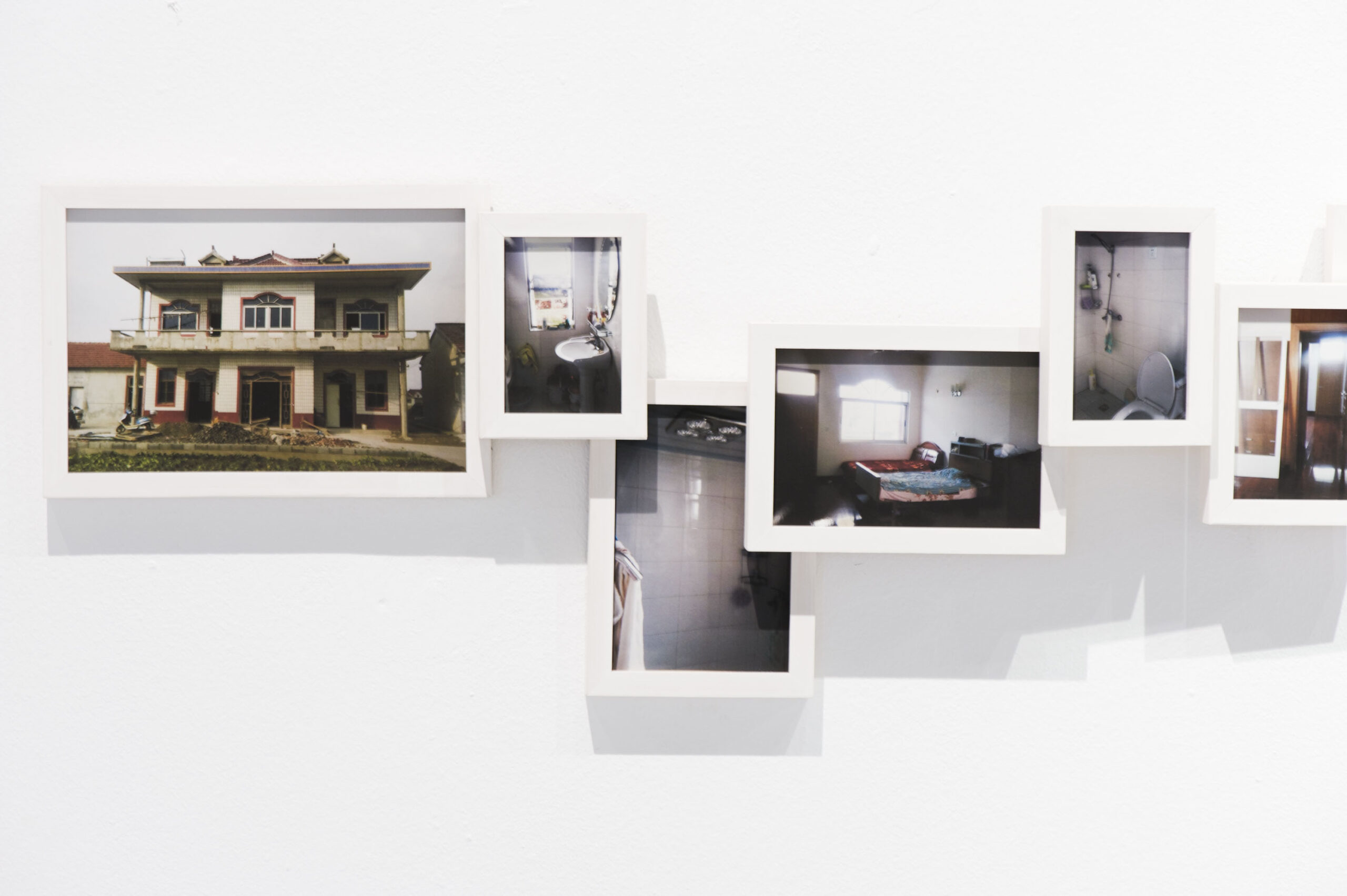
The Stories We Carry: What We Carry Forward
Part of Shifting Images: Photography From Singapore 2000 – 2025 What do we carry with us from one life, generation…
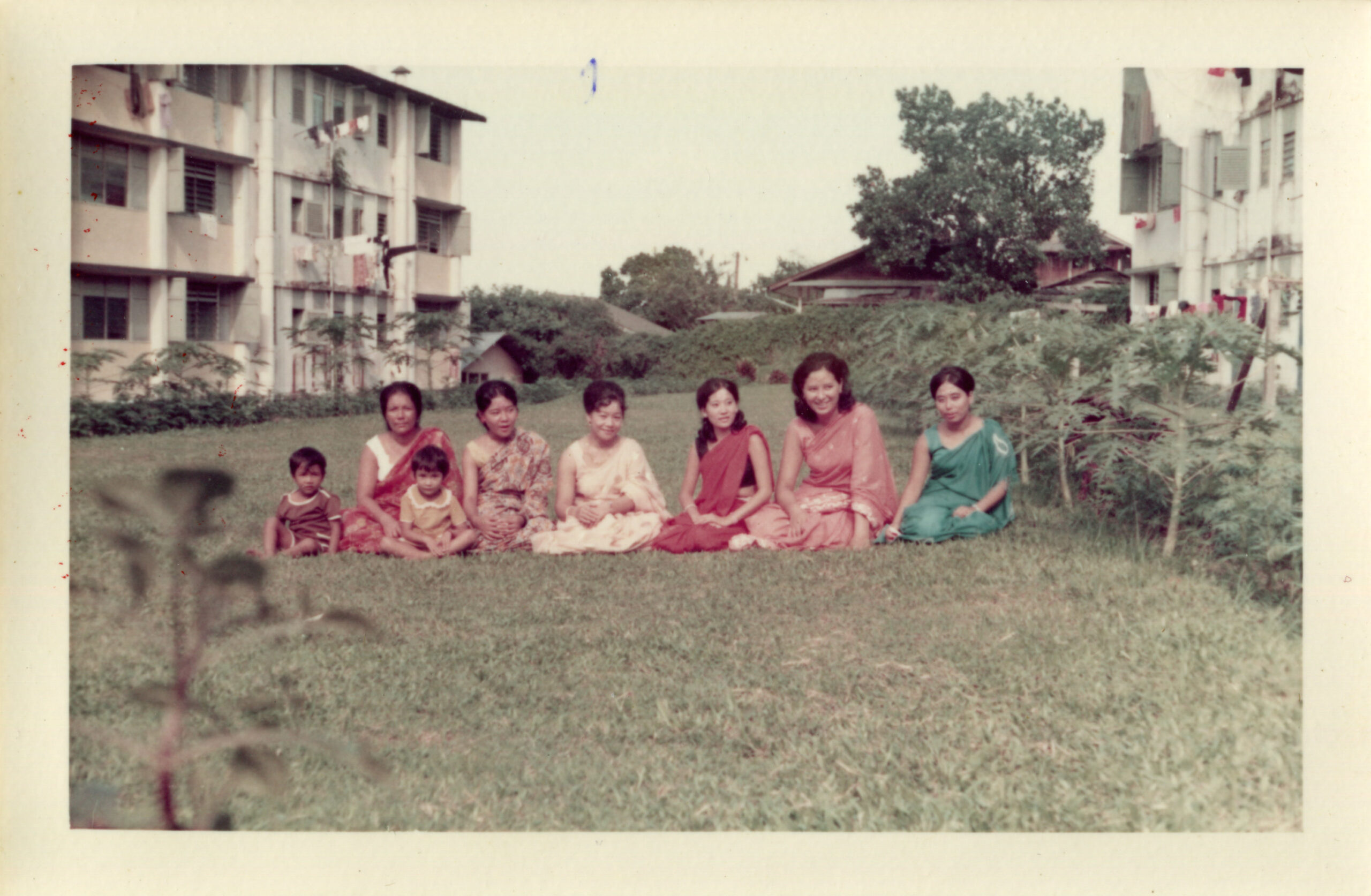
Shifting Images: Photography From Singapore 2000 – 2025 (The Stories We Carry)
What do photographs remember, and what do we ask them to remember for us? The Stories We Carry explores memory…