


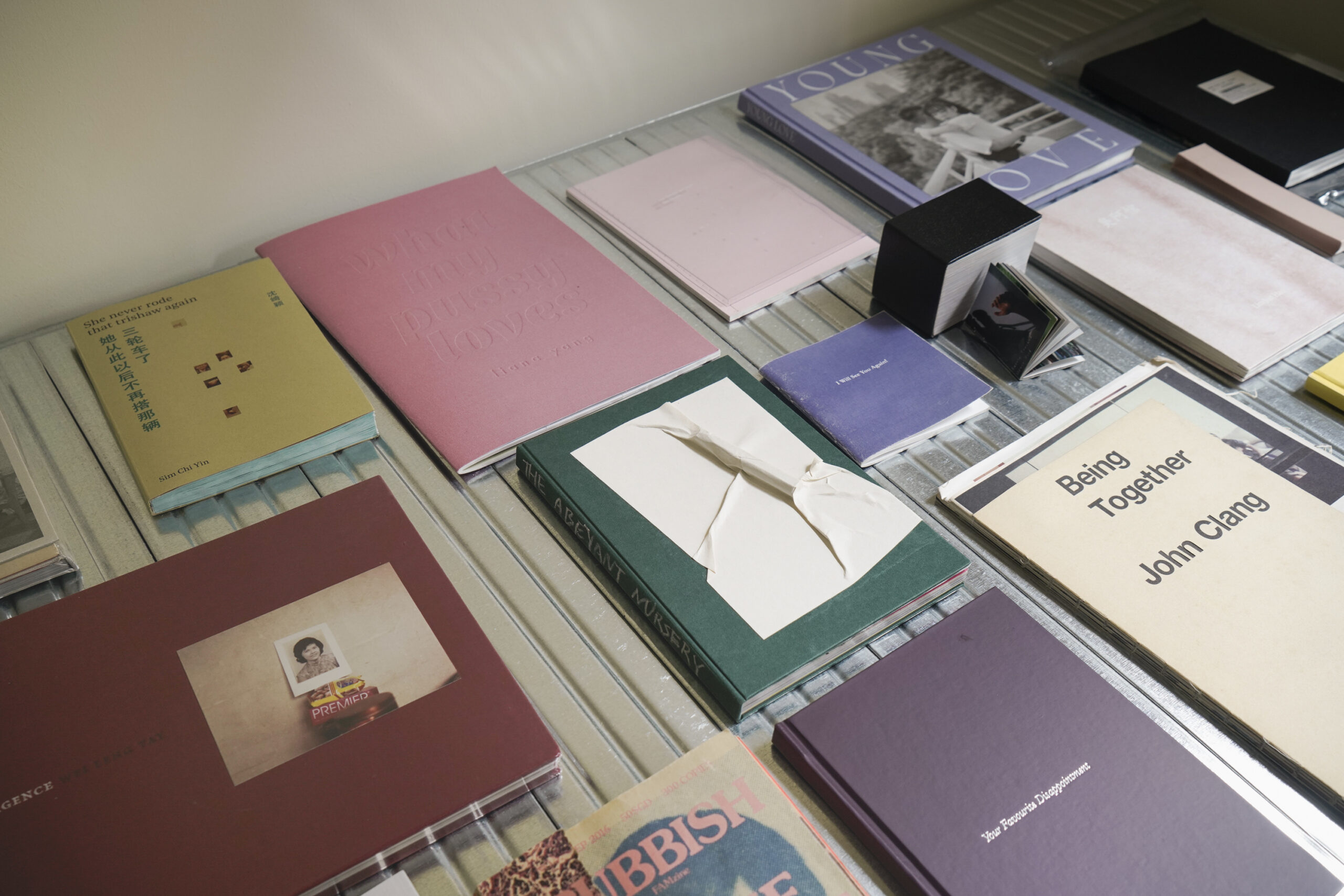
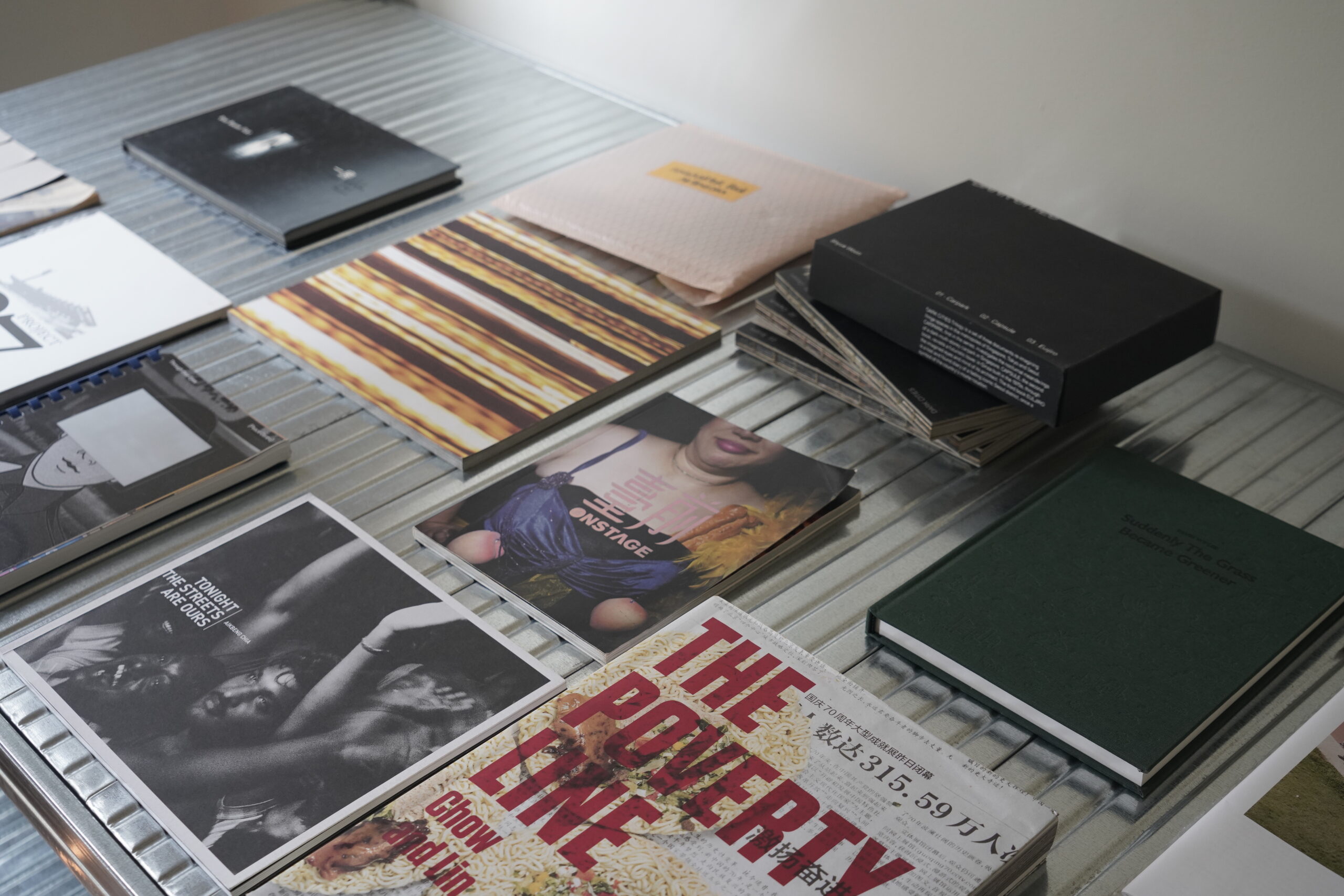
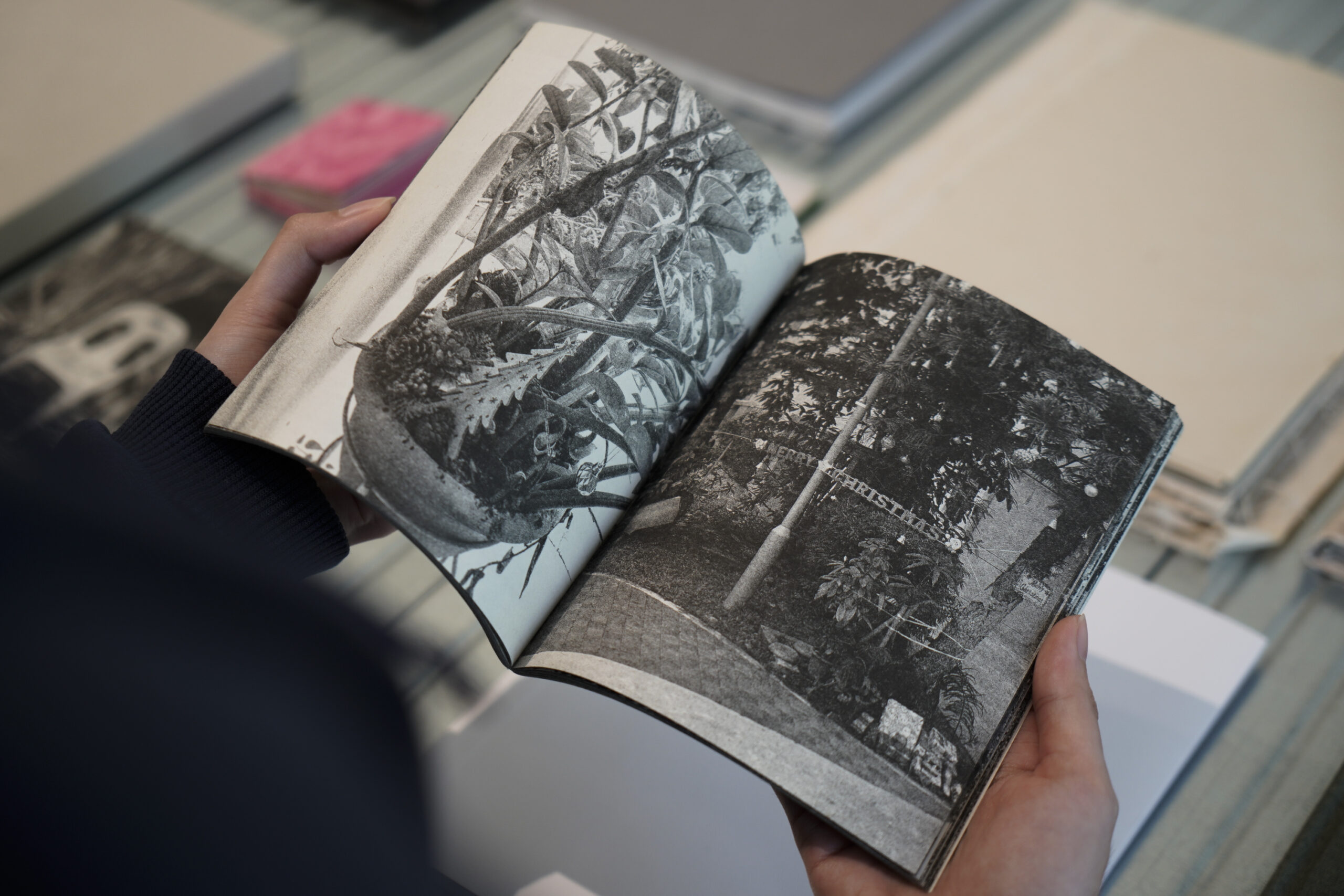
Slower than scrolling on your screen, more deliberate than strolling in a gallery, a photobook demands something a digital device or white-cube wall cannot. More than a print on a wall, it has to be held, opened, turned page by page, put down and picked up again. And there is also a particular attention that goes into making a photobook, with each page carefully thought out, and its paper and layout choices carefully considered. A decision has to be made on what comes first, what fills the pages, and what gets left out.
Around the early 2010s, a growing number of Singaporean photographers and lens-based artists started exploring this form to present what they saw and felt around them, mostly without a gallery or publisher behind them. They chose to produce their photography works in the form of an independently published book. Curated by Singaporean artists, Marvin Tang and Liana Yang, both self-published photobook makers, this showcase presents a non-exhaustive selection of self-initiated photobooks by Singaporean lens-based artists and photographers, from the early 2000s to more recent 2024. It doubles as a record of how the presentation of the photobook itself has changed across these past decades.
SIPF2026 overall theme frames its tenth edition’s title, “In My End, My Beginning”, as an act of continual renewal rather than a milestone to be closed off. Every photograph, the essay argues, is at once an arrival and a departure. That renewal has a quieter history within the photobook itself. For years, the form in Singapore was largely reserved for occasions such as weddings, birthdays, anniversaries, or inside the family album kept private in storage. What has shifted since is the scale of what a book is allowed to hold. Subject matter has moved from photo documentaries to intimate explorations, from the civic to the vernacular, and narratives once considered too small scaled for an exhibition, now carry their own editions in pages.. Seen this way, each of these books is its own small unravelling: another way of seeing what was already there.
That same logic runs through this showcase at a more intimate scale. Each of these books was conceptualised and crafted by an artist who decides that a body of work deserves a permanent form on its own. Placed side by side across two decades, they race not a straight line of progress but a practice of continual return, each generation of photographers picking the form back up and making it theirs again. For Liana Yang, that shift began in the early 2010s, when the energy of a newly self-published photobook scene felt exciting and refreshing on its own terms. In land-scarce Singapore, where staging an exhibition is costly, a full scale exhibition is not always possible within the constraints of space, budget, and time, the photobook offered a format that was tangible, flexible, and portable enough to travel where a gallery could not. For Marvin Tang, the draw was narrative: a physical copy that pushed back against the pace of the digital feed that demands for sustained attention, and giving the artist far more autonomy over what a body of work says, and how it says it, beyond the walls of an exhibition or the folders of a hard drive.
Arriving from various directions, this showcase is termed as such rather than a library. A library implies a system: a catalogue, a fixed way of sorting what sits in front of you. This selection resists that. Rather than pigeonholing each one into a single category, a set of speculative strategies emerges that may meander into informal sub-genres, blurring and overlapping. They are starting points, offered so the work of sorting stays open rather than settled. A photobook may sit under more than one theme, or shift categories entirely depending on which page you land on, or which visit this is. Hence, this showcase is built to be returned to, and not to be resolved in a single pass. You could say that the showcase invites visitors to formulate their own set groupings or to simply sit-back and enjoy these mini-tangible “photography art shows” in their hands.
Related
What We Carry Forward
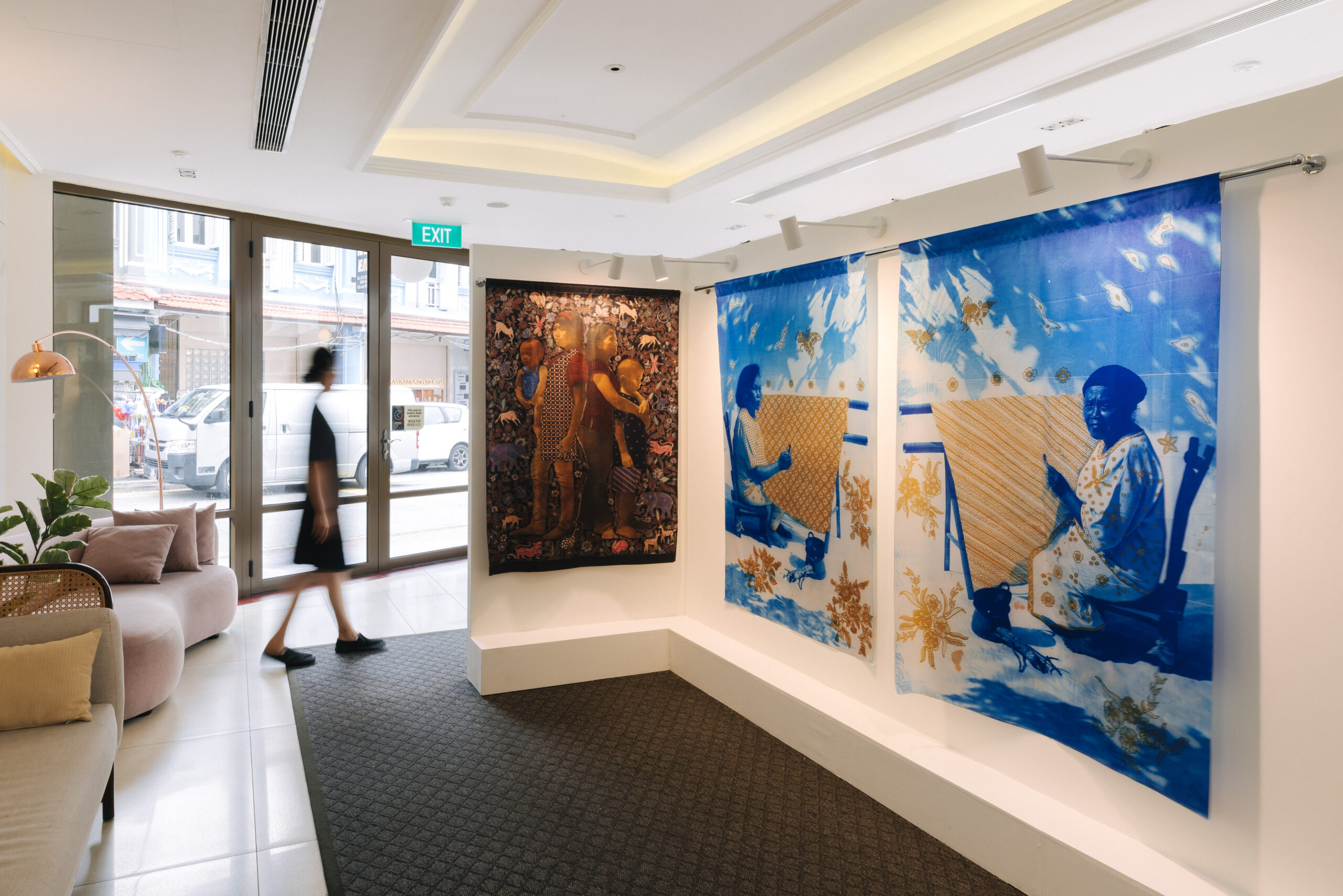
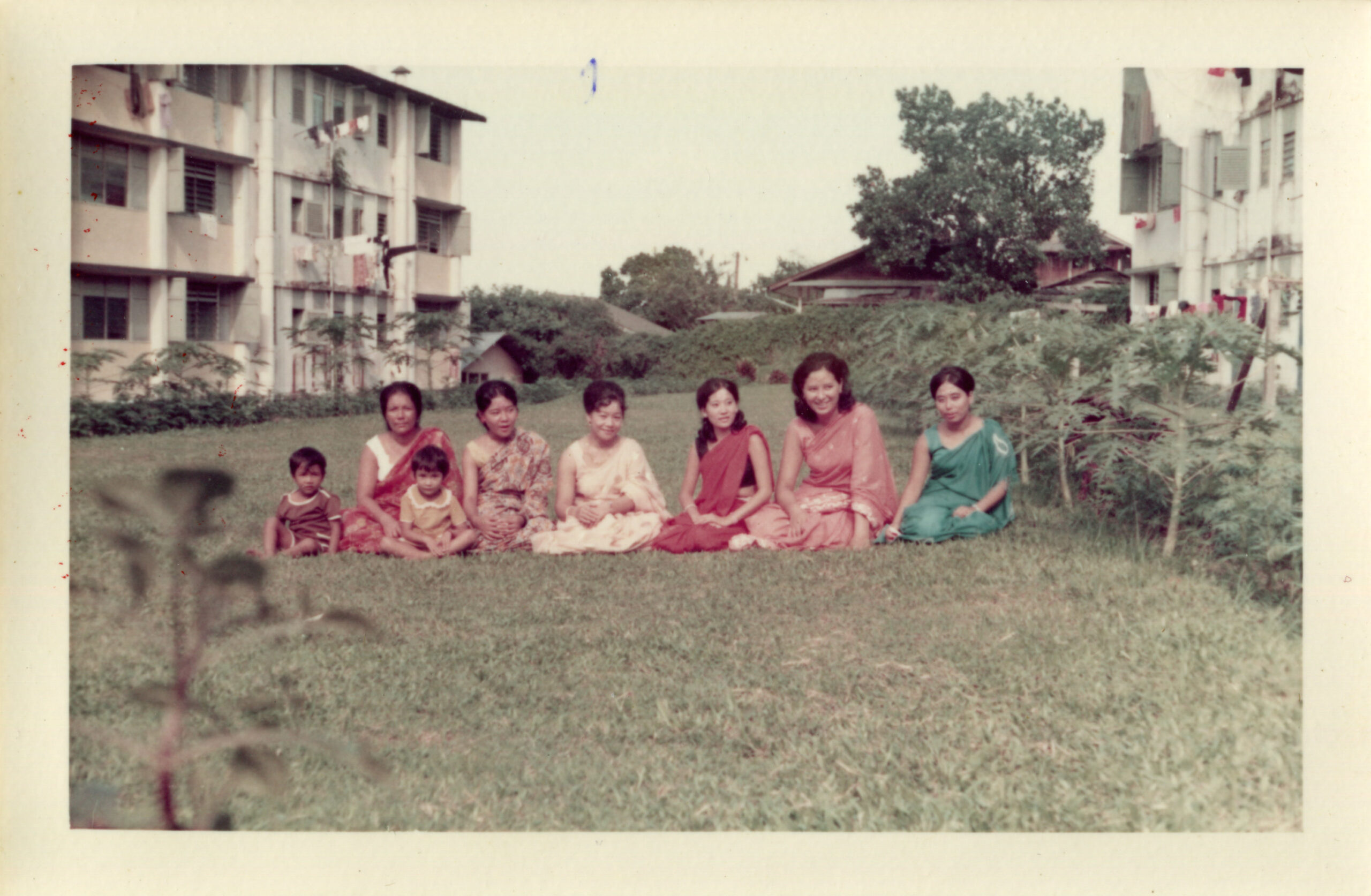
Part of Shifting Images: Photography From Singapore 2000 – 2025 What do we carry with us from one life, generation…
The Stories We Carry
Part of Shifting Images: Photography From Singapore 2000 – 2025. What do photographs remember, and what do we ask them…
Where We Stand
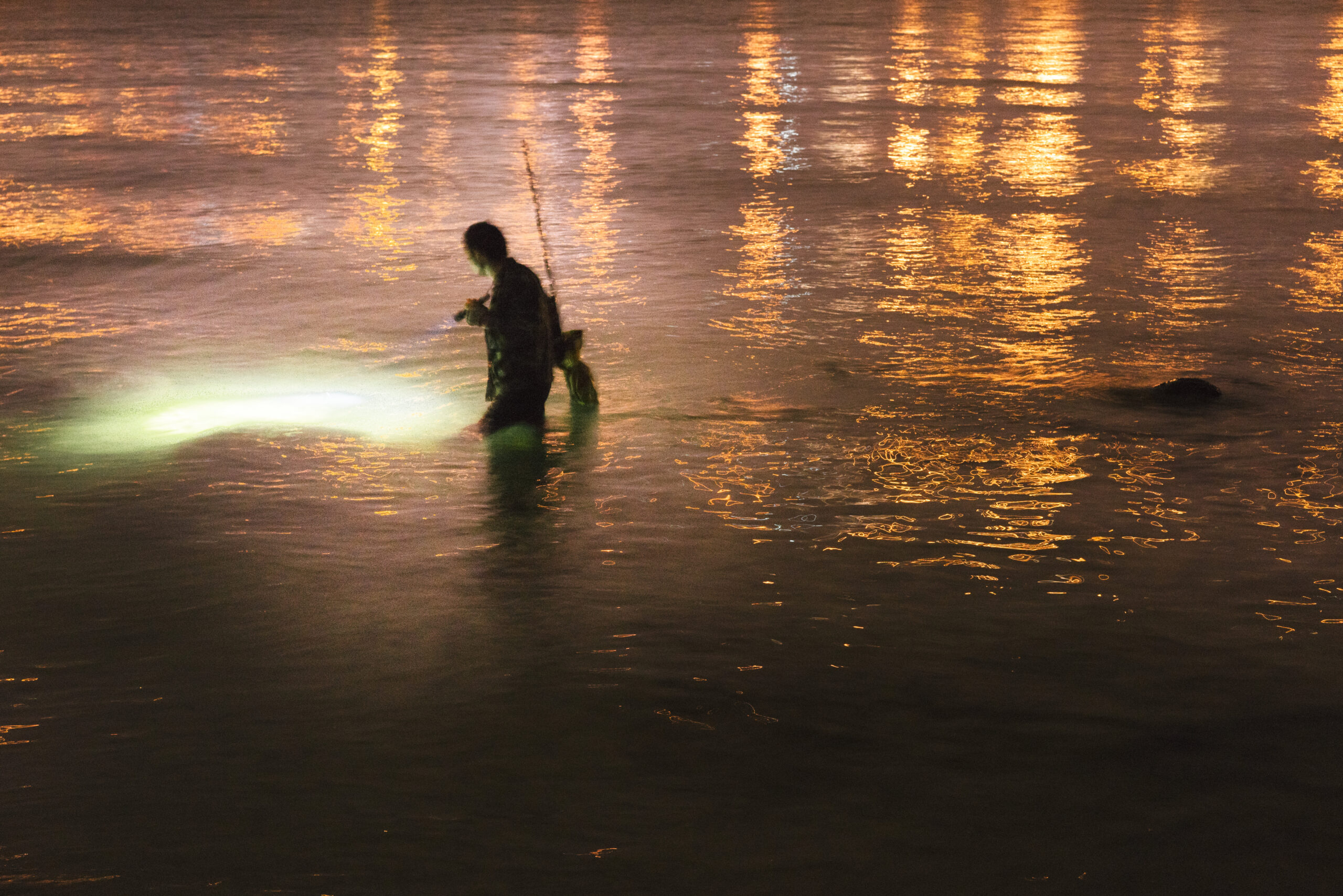
Where We Stand explores place as a living, shifting terrain shaped by development, labour, consumption, memory, identity and movement. Through…
Curator Bios:
Marvin Tang uses images as a tool of investigation. Stemming from the effects of policy-making to shifting social structures, his research challenges our changing relationship with the land. He is particularly interested in applying this research to Singapore, seeking to investigate its own historical account and its relationship to expanded narratives across the globe.
Liana Yang’s practice usually combines digital media and prints in her installation works. She is motivated by the asethetics of social and sociological interactions, and usually drawn to the trivialities and oddities that we encounter in our daily experiences. This includes the enigmatic and unsenn aspects of relationships, as well as explorations of memory and associations in our contemporary culture. With this process, she hopes to offer a compelling discourse in understanding societal views.